How to Hire Your First Employee as an IL Sole Proprietor
40 hours of paid leave, mandatory workers comp, and vacation payout rules — what Illinois sole proprietors face from hire number one.

40 hours of paid leave, mandatory workers comp, and vacation payout rules — what Illinois sole proprietors face from hire number one.

Illinois adds its own WARN Act at 75 employees, mandatory vacation payout, and paid leave considerations on top of federal requirements.

90 days of notice, a 50-employee threshold, and the 33% rule — closing a business in New York starts three months before anyone leaves.

Mandatory severance, 90-day notice, and part-time workers counted — New Jersey has one of the toughest shutdown laws in the country.

No reporting-time pay and no state OSHA, but extreme heat, hurricanes, and ice storms mean Texas employers still need a real weather policy.

4 hours of call-in pay, separate hospitality rules, and NYC Fair Workweek obligations — New York weather closures get expensive fast.

No state income tax, optional workers comp, and no paid leave mandate — Texas gives sole proprietors maximum flexibility (and maximum responsibility).

Paid Family Leave, disability insurance, and the Wage Theft Prevention Act all hit from day one when you hire in New York.

No state WARN Act, no mandatory severance, and a 6-day final pay window — Texas makes closing straightforward, but there are still rules to follow.

A franchise agreement controls more than your brand and royalties. It shapes how you hire, schedule, and manage your team. Here is what franchisees need to know about the staffing, labor compliance, and joint employer clauses hiding in that contract.

The franchise disclosure document is a 200-plus page packet that tells you exactly what you are buying. Most prospective franchisees skim it. Here is how to read the sections that matter most, from fees and litigation history to the staffing and training obligations that will shape your daily operations.

Most inclement weather policies assume employees can work from home. If your team works on-site shifts, you need a policy built for that reality. Here is how to handle pay, scheduling, and communication when weather shuts things down.

Forming an LLC takes a few days. Managing employees inside one takes real systems. Here is what LLC owners need to know about payroll, time tracking, overtime, and labor compliance once they start building a team.

A joint venture lets two businesses combine strengths for a specific project without merging. But most JVs fail because of unclear agreements, not bad ideas. Here is how to structure one, including the workforce and liability questions most guides ignore.

A sole proprietorship can hire employees. But the moment you do, you go from filing a Schedule C to managing payroll taxes, labor law compliance, and time tracking. Here is what actually changes and how to handle it.

Offering time off instead of overtime pay sounds fair. In the US private sector, it is also illegal for hourly workers. Here is what TOIL actually means, how comp time works under the FLSA, and what shift-based businesses should do instead.

A restaurant closes for renovations. A cleaning company loses a major contract. A construction site shuts down for two weeks. What do you owe your team? Here is what employers need to know about temporary shutdowns, from WARN Act triggers to pay obligations.

Not every time tracking tool works for cleaning crews. Compare the best options for commercial cleaning companies that need GPS, multi-site tracking, and simple mobile clock-ins.

Buddy punching and time theft cost cleaning businesses thousands per year. Learn why it happens in cleaning crews and how to prevent it without micromanaging your team.

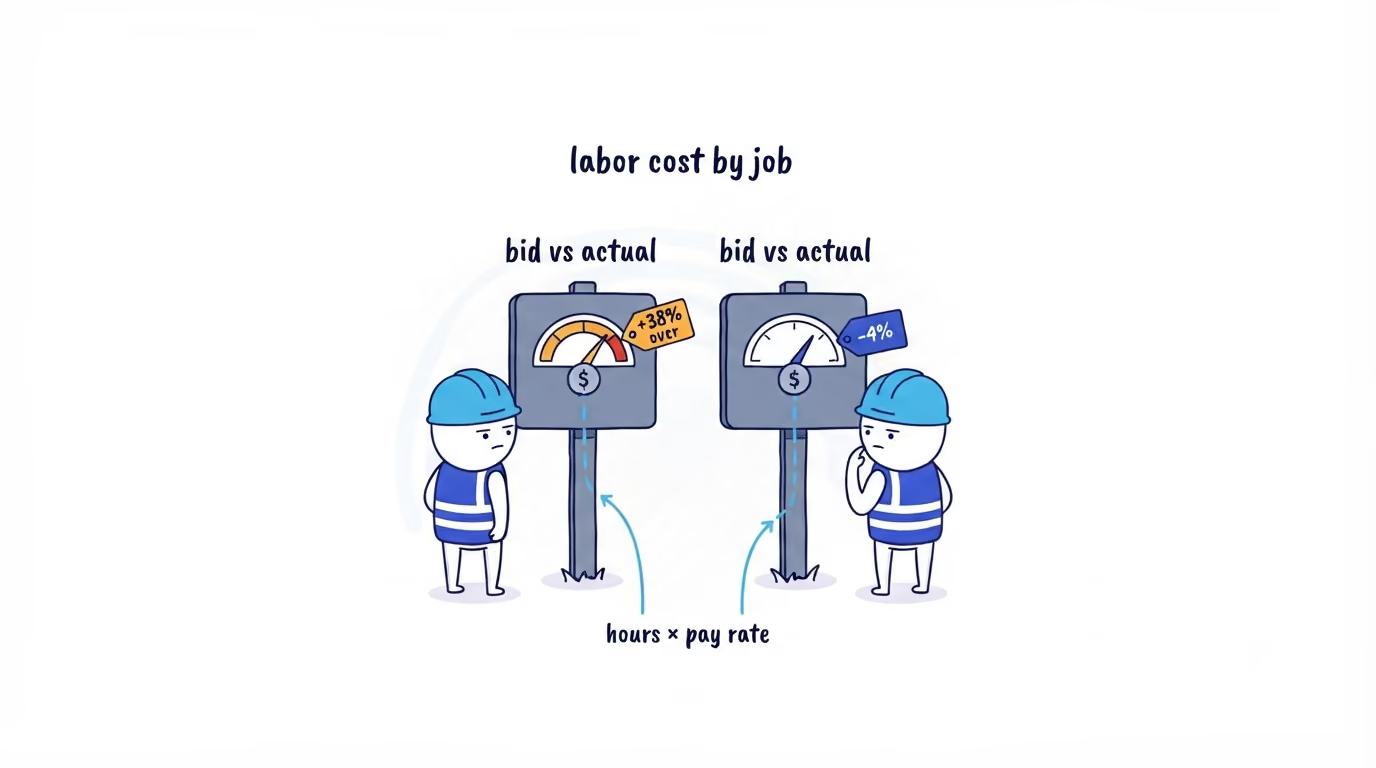
Most cleaning bids are based on walkthroughs and gut feeling. Learn how to use actual time data from your existing jobs to price new contracts accurately and protect your margins.