
Training Evaluation: 4 Proven Methods & Frameworks
Only 35% of companies evaluate training beyond surveys. Compare Kirkpatrick, Phillips ROI, and CIRO frameworks. Learn which evaluation method to use when, with step-by-step measurement guides.

Only 35% of companies evaluate training beyond surveys. Compare Kirkpatrick, Phillips ROI, and CIRO frameworks. Learn which evaluation method to use when, with step-by-step measurement guides.

Compare the best digital onboarding platforms for 2026. See features, pricing, pros/cons of BambooHR, Workday, Rippling, and more. Learn what to look for, how much it costs, and which solution fits your business.

Essential onboarding documents are the required forms every new employee must complete. Learn what documents you need, legal requirements, how to organize onboarding paperwork, and which forms are mandatory vs optional.

Training methods are the different ways companies teach employees new skills. Learn instructor-led, online, on-the-job, blended, and microlearning approaches, plus which methods work best for different situations and why 94% of employees stay longer with training.

Virtual onboarding brings remote employees into your company through video calls, online training, and digital tools. Learn how to onboard remote workers effectively, avoid common mistakes, and why 73% of companies now offer remote work.
![How to Let Employees Choose Their Shifts (& Boost Retention 30%) [2026]](/_astro/hero-shift-bidding-frontline-teams.DEys1kdv.avif)
Schedule flexibility is the #1 retention driver—80% of workers say they would be more loyal with shift choice. Learn 3 ways to let employees pick shifts (self-scheduling, preference-based, seniority bidding), implementation steps, and how healthcare and retail companies reduced turnover 30% with flexible scheduling.

Restaurant schedules coordinate servers, cooks, and staff across split shifts to cover peak hours. Learn how restaurant scheduling works, why turnover averages 75-80% annually, and how labor costs hit 30% of revenue.
![Work Rota & Staff Rota: UK Guide + Free Templates [2026]](/_astro/cover-uk-work-rota-shiftboard.Bjls9xIq.avif)
A work rota is a rotating shift pattern used in UK businesses for 24/7 coverage. Learn rota vs roster, common patterns (4 on/4 off, continental), how to assign staff, UK legal requirements, and best practices for retail, hospitality, and healthcare scheduling.

Firefighters work 24/48 schedules (24 hours on, 48 off) or 48/96 schedules averaging 56 hours weekly. Learn about Kelly days, sleep deprivation concerns, FLSA overtime exemptions allowing 212 hours per 28 days, and 2026 NFPA 1010 standards.

The healthiest shift schedule starts at 9 AM and aligns with circadian rhythm. Learn why day shifts are better than night shifts, backward rotation nearly doubles poor sleep risk (OR=1.95), and only 25% adapt to night work without health impacts.

Nurses work 12-hour shifts in a 3 on/4 off pattern, averaging 39.4 hours weekly. Learn about the nursing shortage affecting 8.06% nationally, mandatory overtime affecting 40%, burnout rates of 87%, and why shifts over 12 hours increase errors by 326%.

On call schedules require employees to be available outside regular hours. Learn what on call work is, FLSA compensation rules, industries that use it, burnout rates at 77%, and 2026 compliance updates.

Working night shift affects 20% of adults. Learn health impacts (shift work disorder affects 1 in 5), night shift differential pay rates of 15-25%, adaptation strategies, and why 58% are dissatisfied with sleep quality.

A fixed schedule means working the same hours and days each week. Learn what fixed schedules are, why 84% of workers have regular daytime schedules, how they compare to rotating and flexible schedules, and 2026 Fair Workweek law requirements.

A compressed schedule means working full-time hours in fewer days—like four 10-hour days instead of five 8-hour days. Learn what compressed workweeks are, why 28% of organizations offer them, how 56% of employees prefer 4-day weeks, and 2026 flexible work trends.

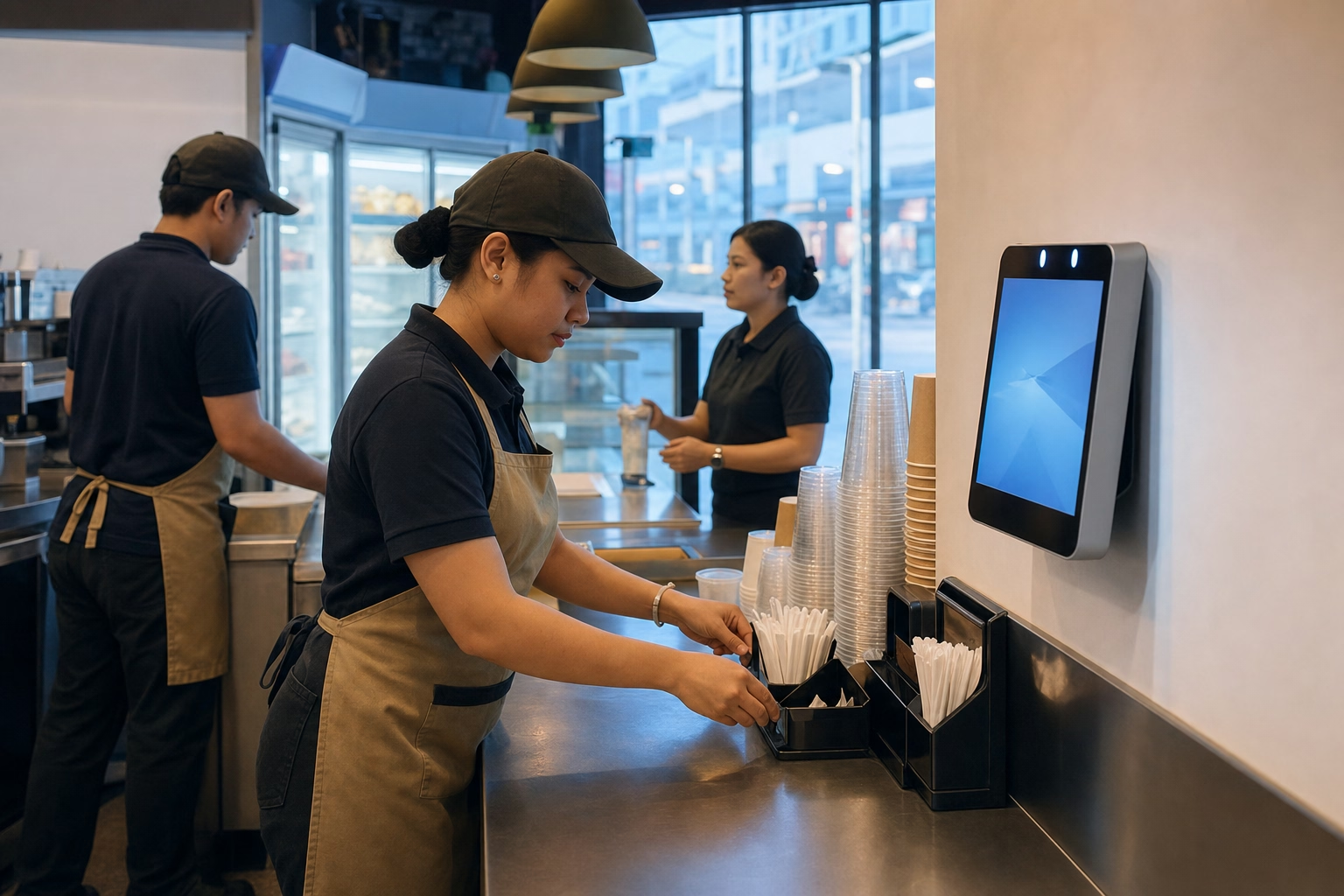
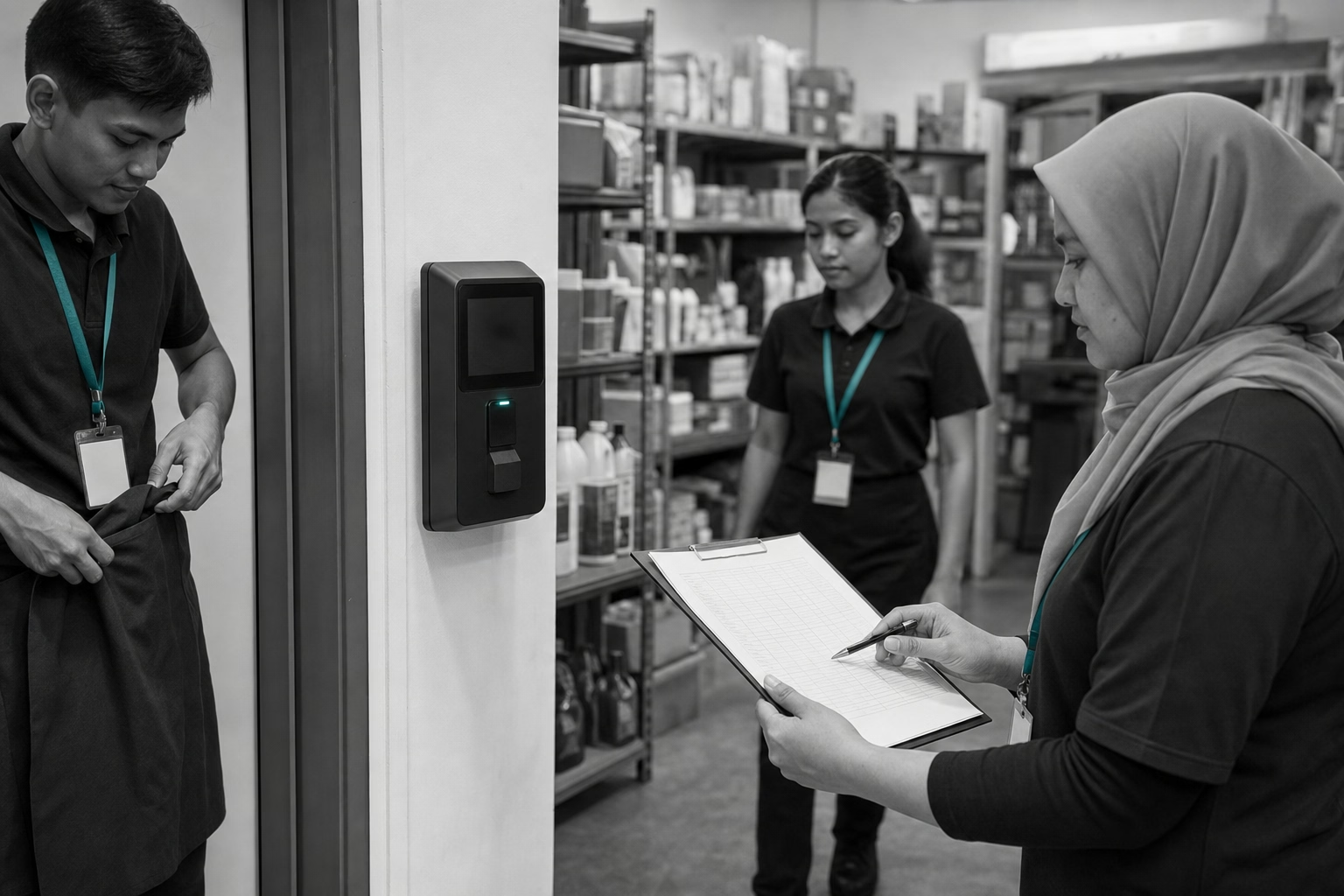
Buddy punching costs employers $373 million annually and affects 75% of U.S. businesses. Learn how to prevent buddy punching with biometric time clocks, GPS verification, facial recognition systems, and automated time tracking that eliminates time card fraud.

A rotating schedule means shift hours change regularly—working days one week, nights the next. Learn what rotating schedules are, why 25 million U.S. workers use them, common patterns like 2-2-3 and DuPont, and how they enable 24/7 operations in healthcare and manufacturing.

Time card fraud costs businesses up to 5% of gross payroll annually. Learn what time card fraud is, the most common types including buddy punching and timesheet padding, how it costs companies thousands per employee, and 2026 detection technologies.

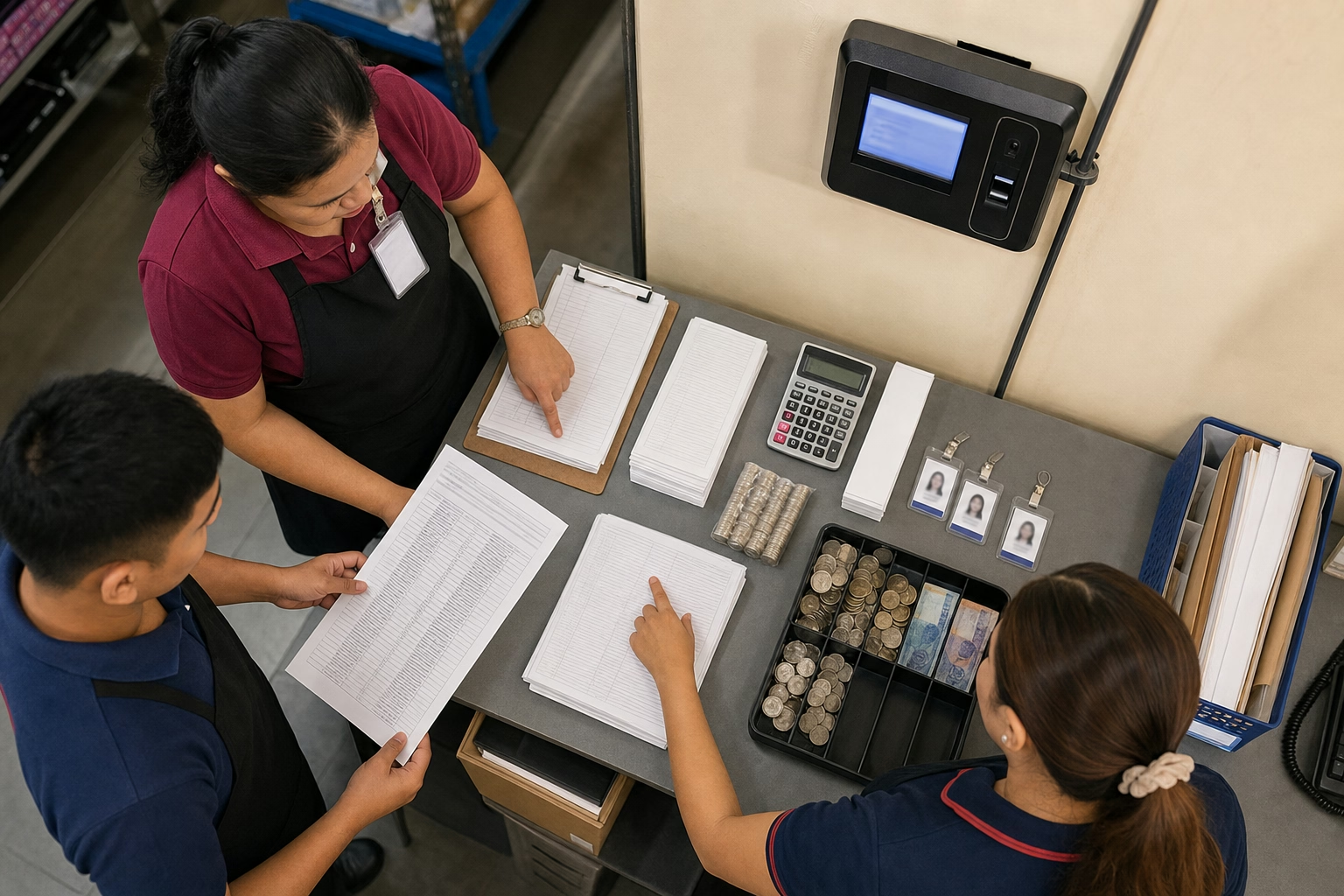
An attendance sheet records who showed up for work each day. Learn the difference between paper and digital sheets, how to create one, and why digital tracking saves time and reduces errors.

Employee attendance tracks who shows up for scheduled shifts and when. Learn how to measure attendance, reduce absenteeism costing $225.8 billion yearly, and improve workplace productivity.