
11 Best Hubstaff Alternatives for Small Businesses (2026)
Looking for a Hubstaff alternative? We compare 11 time tracking tools that offer better pricing, simpler interfaces, and less invasive monitoring for small businesses in 2026.
Read articleShiftFlow Blog
Pembaruan produk ShiftFlow, cerita pelanggan, dan tips manajemen tenaga kerja
Looking for a Hubstaff alternative? We compare 11 time tracking tools that offer better pricing, simpler interfaces, and less invasive monitoring for small businesses in 2026.
Read articlePaper timesheets and manual time tracking are one of the biggest sources of payroll errors for small businesses. Here is how those mistakes happen, what they actually cost, and how switching to digital time tracking eliminates most of them overnight.
Read articleNot a tech person? These simple time clock apps are built for small business owners who want easy setup, zero learning curve, and accurate timesheets without the headache.
Read articleMissed clock-ins drain manager time, create payroll errors, and expose small businesses to compliance risk. Learn why employees forget to punch in and the practical fixes that make it stop.
Read articleCompare the best time tracking tools that sync directly with payroll providers. Learn which features matter most and how to eliminate manual timesheet exports for good.
Read articlePOS-payroll integration failures cause duplicate payments, missing hours, and tip allocation errors that cost restaurants thousands. Learn the root causes of sync errors and how to build a reconciliation workflow that catches them before payday.
Read articleAuto-deduct break policies have cost restaurant chains millions in class-action settlements. Learn how to track meal and rest breaks, avoid auto-deduct traps, and stay compliant with state break laws.
Read articleBuddy punching costs the average restaurant thousands per year in payroll leakage—and creates compliance exposure that extends far beyond the stolen time. Learn the real financial impact and how to prevent it without disrupting service.
Read articleMissed punches cost restaurants 5–10 hours of manager time per week in corrections and create compliance gaps that weaken your labor records. Learn why missed punches are an epidemic in restaurants and the system design fixes that reduce them.
Read articleMulti-role restaurant staff create payroll errors when hours are not tracked by role. Learn how role-based time tracking prevents weighted overtime miscalculations, pay rate mistakes, and labor cost distortions.
Read articleOvertime miscalculations cost restaurants thousands per year in back wages and penalties. Learn federal and state overtime rules, how weighted rates work for multi-role staff, and how to prevent overtime from silently inflating labor costs.
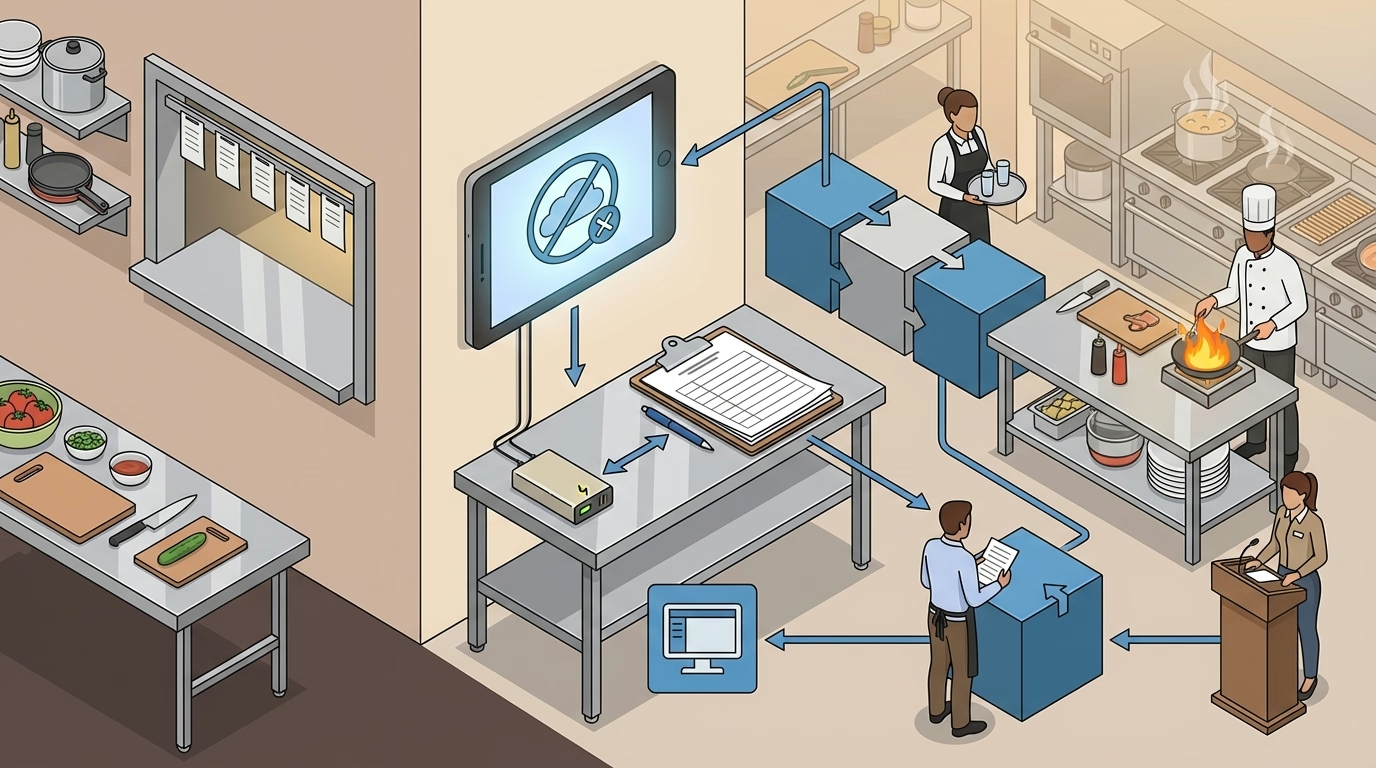
Read articleA time clock outage during peak service creates open shifts, phantom hours, and payroll chaos. Learn how to evaluate offline mode limitations, build a damage control plan, and prevent outages from wrecking your labor records.
Read article