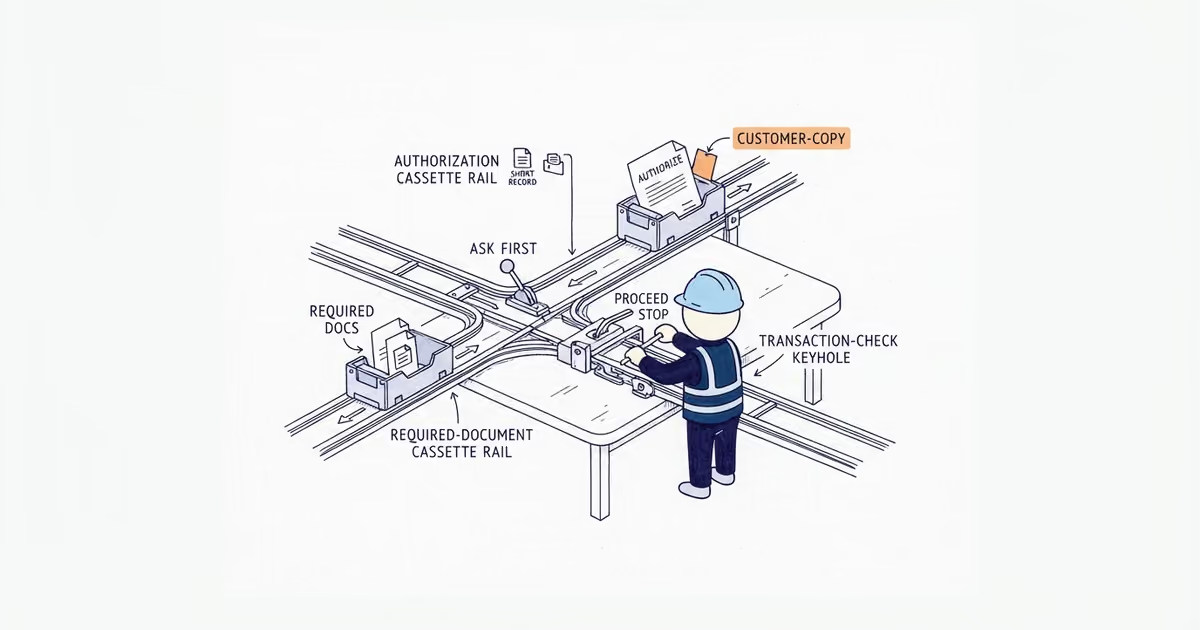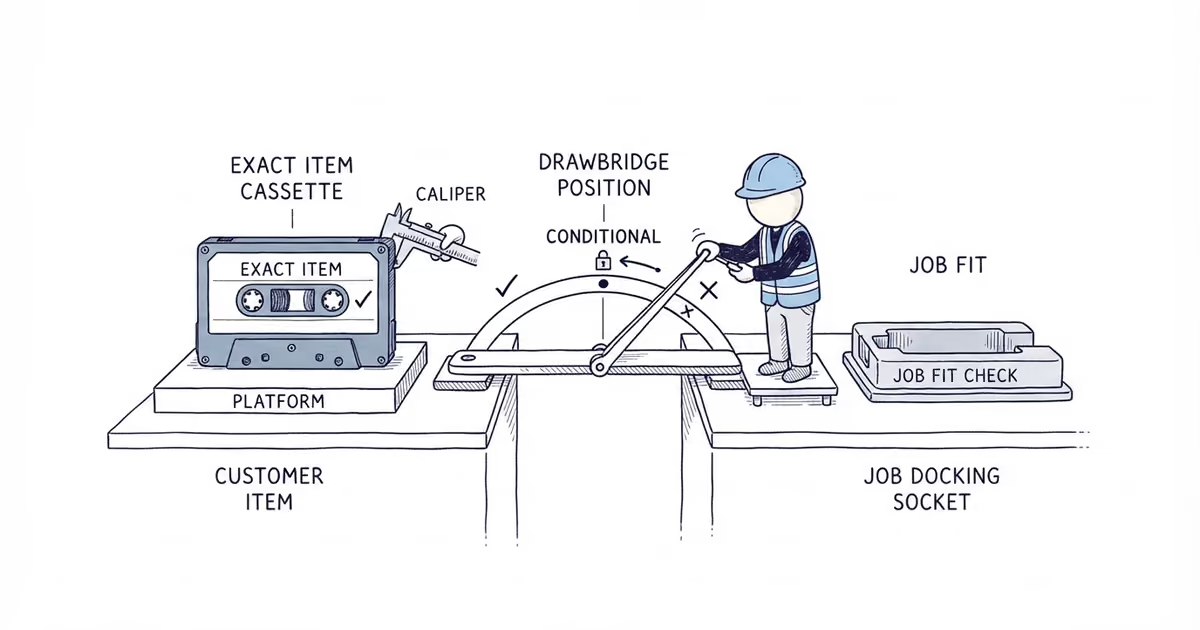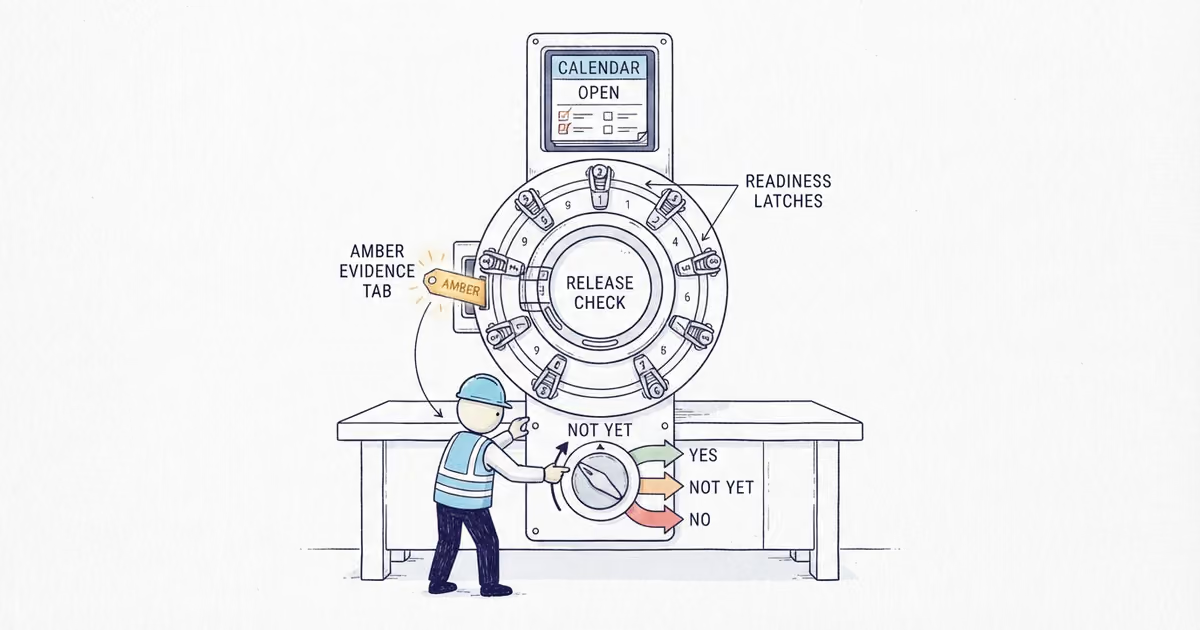

Should a Contractor Include License and Insurance in a Proposal?
Learn when to include contractor license and insurance details in a proposal, what to verify before sending, and when to attach a certificate of insurance.
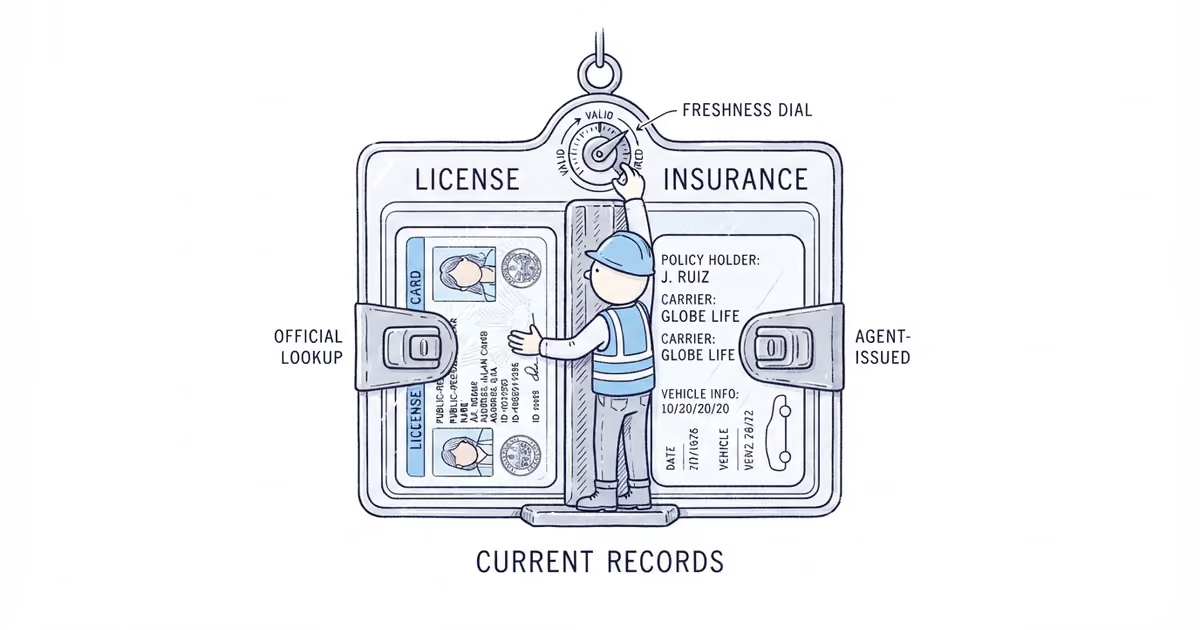
Yes, when those credentials apply to the trade, location, job, customer, site, or contract. Put a current, verifiable license line in the proposal. Keep insurance separate, using current information from the agent or insurer and a certificate only when the customer or project requires one.
Do not replace them with a “licensed and insured” badge. Licenses and insurance certificates prove different facts and use different verification paths.
If the customer needs evidence beyond these two credentials, use our contractor proof guide to choose the reviews, job photos, process records, and current proof that answer the specific concern without padding the proposal.
Last verified: August 31, 2026 (United States).
When to include license and insurance in a contractor proposal
Licensing and insurance requirements are not uniform across the United States. The US Small Business Administration says license and permit requirements vary by business activity, location, and government rules.
Check the state, county, city, trade, job, customer, property, and written agreement. Include only what applies.
The Federal Trade Commission advises homeowners to confirm a contractor’s license with state or county government and ask for proof of insurance. A badge, truck photo, wallet card, or insurer logo is not a verification route.
What license information to include in a contractor proposal
The license line belongs in the business identity or credentials block. It should contain:
- The exact business or licensee name on the public record.
- The license or registration number.
- The issuing authority and jurisdiction.
- The trade classification, when it helps identify the work covered by the credential.
- Current status or expiration information.
- The official lookup address.
- The date your office last checked the record.
Use wording like this:
License / registration: [Exact licensee name] · [Trade classification] · [Issuing authority, jurisdiction] · No. [number] · Status: [current status] · Expires: [date, if shown] · Verified: [date] · [official lookup address]
Check the authority shortly before sending. California’s Contractors State License Board lets customers search by license number or business name. That is a California route; use the authority governing the job.
If the proposal name differs from the licensee name, resolve the mismatch or clearly show the accurate relationship between them.
What insurance information to include in a proposal
An insurance line should identify the named insured, not just the customer-facing business name. Use only current facts supplied by the agent or insurer: named insured, carrier, policy type, stated limits, effective and expiration dates, and the agent or certificate-request contact.
General liability, commercial auto, workers’ compensation, and professional liability are not interchangeable. Show only the relevant policy types; this article does not decide what coverage or limits to buy.
Use this placement rule:
| Credential | What appears in the proposal | What stays in an attachment or official lookup | What to verify before sending |
|---|---|---|---|
| License or registration | Name, number, authority, jurisdiction, classification, status, dates, and lookup | Full public record | Name, classification, status, expiration, lookup, and check date |
| Insurance | Named insured, carrier, relevant type, limits, dates, and agent contact | Current agent-issued evidence | Name, policy type, limits, dates, and source |
| Customer-specific certificate | Note that the certificate is attached or being issued | Unedited agent- or insurer-issued certificate | Holder details, job reference, request, and issue date |
Attach a one-page certificate when the homeowner, general contractor, property manager, site, or written agreement asks for it. Do not attach the full policy or expose unnecessary information.
How to request a certificate of insurance
Collect the certificate holder’s exact legal name, mailing address, job or contract reference, and requested policy information. Send those details to the agent or insurer to issue the document.
Do not edit a certificate or add wording the agent did not approve. Route requests for additional-insured status, a waiver, cancellation notice, or other customer-specific language to the agent.
A certificate holder receives the insurance evidence; that listing does not itself add coverage or rights. Additional-insured status is a separate policy or endorsement question.
The Texas Department of Insurance says a certificate cannot exceed the related policy or create rights the policy or an executed endorsement does not provide. That guidance is Texas-specific. A certificate reports policy information; it does not amend, extend, or replace the policy.
Do not write that a certificate “covers this job” or guarantees a claim result.
License and insurance example for a managed property
For work at a managed property, an electrical contractor uses this credentials block:
License / registration: [Exact licensee name] · [Electrical classification] · [Issuing authority, jurisdiction] · No. [number] · Status: [current] · Expires: [date] · Verified: [date] · [official lookup]
Insurance: Named insured: [exact name] · Carrier: [carrier] · Policy type: [relevant type] · Limits: [as stated by agent] · Effective: [date] · Expires: [date] · Certificate issued through: [agent contact]
The property manager supplies its exact holder name, address, and job reference. The agent issues the separate COI; the contractor does not edit it or say it changes coverage.
Contractor license and insurance checklist
Before sending the proposal, mark each item pass or fix:
- Applicability: The credential applies to this trade, jurisdiction, job, customer, site, or written requirement.
- Exact names: Proposal, licensee, and named-insured names are accurate; any difference is explained.
- License record: Number, authority, jurisdiction, and relevant classification are present.
- License status: Status and expiration match the recently checked official record.
- Public verification: The official lookup route and last-checked date work.
- Insurance source: Carrier, type, limits, and dates come from current agent- or insurer-issued information.
- Relevant policy: The policy type answers the request; unrelated coverage is omitted.
- Certificate request: Exact holder name, address, job reference, and request went to the agent or insurer.
- Policy wording: No additional-insured status, waiver, or cancellation notice is promised without supporting issued documents.
- Coverage language: The proposal does not say “fully insured,” “covered for any job,” or claim the certificate changes coverage.
- Freshness: No credential, certificate, or policy date is stale or expired.
- Retention: The office saved the credential block and attachments with that proposal version.
The proposal is ready when the customer can identify the issuer, record, current status, and verification route without mistaking the proposal for a policy or legal opinion.
Frequently asked questions
Should every contractor list a license number in a proposal?
No. Include a license or registration number when it applies to the trade, jurisdiction, job, customer, site, or written agreement. Verify the record with the issuing authority before sending.
Should I attach a certificate of insurance to every proposal?
No. Attach a current agent- or insurer-issued certificate when the customer, general contractor, property manager, site, or written agreement asks for it. Do not attach the full policy or edit the certificate yourself.
Is a certificate holder the same as an additional insured?
No. A certificate holder receives evidence of insurance, while additional-insured status depends on the underlying policy or endorsement. Listing someone as the certificate holder does not by itself add coverage or rights.
Sources
- pricing
- should-a-contractor-include-license-and-insurance-in-a-proposal
- contractor-license-and-insurance-in-proposal
- contractor-proposal-license-number
- certificate-of-insurance-for-contractor
- contractor-credentials-checklist