Should a contractor install customer-supplied materials?
Decide whether to install customer-supplied materials with an accept, conditional acceptance, or decline matrix for compatibility, labor, delays, and warranty.
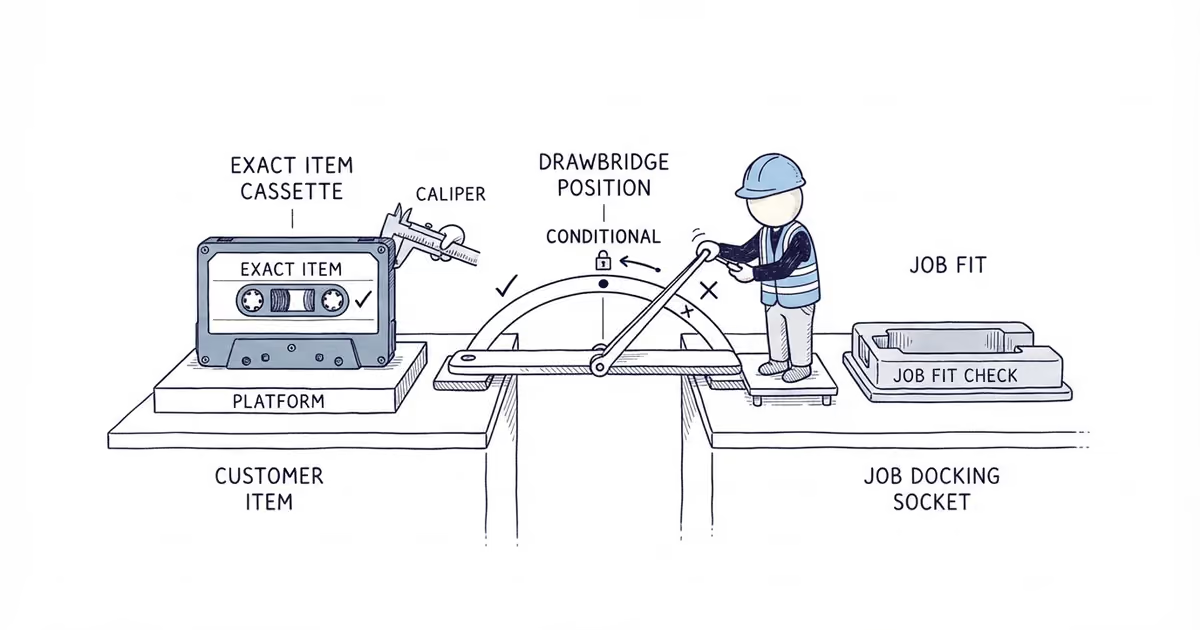
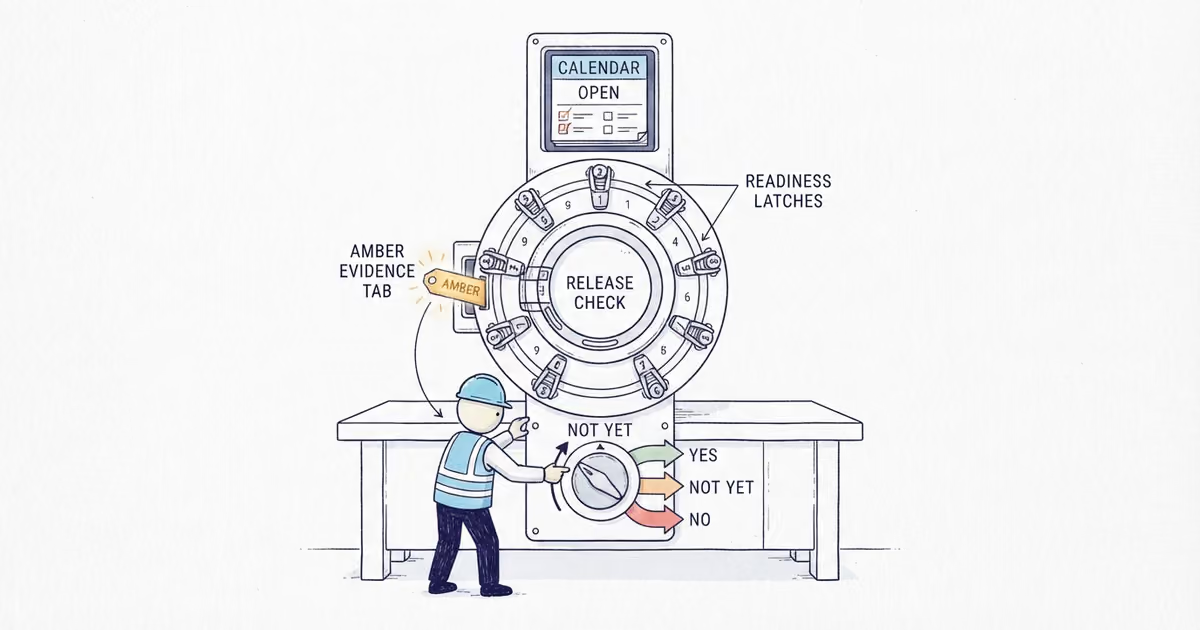
Use three decisions. Accept an identified, suitable, complete item in acceptable visible condition that you can install as required. Accept with conditions when named checks or actions clear limited uncertainty before scheduling. Decline when material uncertainty or a requirement cannot be responsibly resolved.
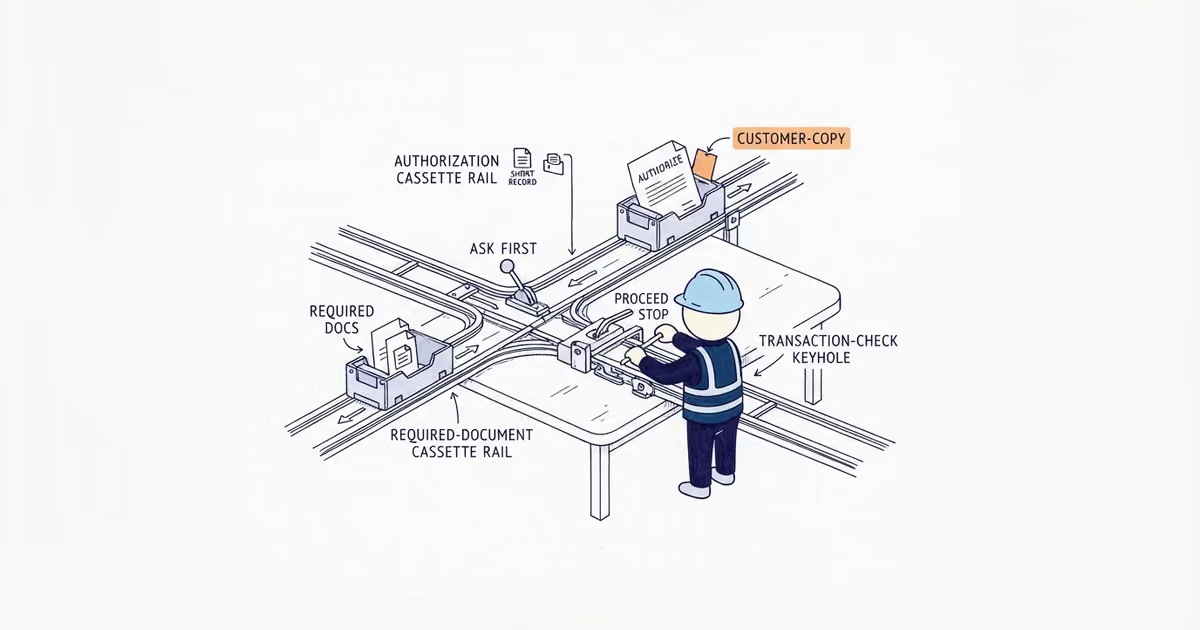
Do not approve “a faucet,” “some tile,” or “an electrical panel.” Record maker/warrantor, product, model/SKU, quantity, relevant dimensions/rating, color/lot, purchase source, receipt owner, official instructions, and photos of labels, packaging, parts, and condition.
Customer-supplied material decision matrix
| Gate | Accept | Accept with conditions | Decline |
|---|---|---|---|
| Exact identity | IDs/documents match | ID/document pending | Identity unverified |
| Approved use | Instructions support use | Confirmation pending | Use unsupported |
| Compatibility | Job compatible | Fit check pending | Mismatch/unverifiable |
| Visible condition | No visible issue | Check at delivery | Visible defect found |
| Quantity | Count confirmed | Count/allowance pending | Shortage unresolved |
| Completeness | Parts complete | Part pending | Required part unavailable |
| Inspection limits | Limits recorded | Test pending | Guarantee required |
| Requirements | Verified | Check pending | Unmet/unverifiable |
| Delivery and storage | Plan ready | Condition pending | Unsafe/unworkable |
| Labor and price | Scope/price approved | Added work pending | Unpriced work required |
| Return or replacement | Owners named | Owner/route pending | No owner |
| Delay path | Pass before scheduling | Held for clearance | Unconditional start required |
| Product warranty | Terms/owner recorded | Terms/owner pending | Unsupported coverage required |
| Workmanship | Promise recorded | Boundary pending | Product coverage required |
Match use/location, system/substrate, dimensions/connections, companion parts, environment, and method to current official documents. Appearance and marketplace descriptions prove nothing.
Before crew commitment, record unopened/used status; visible damage, moisture, contamination, distortion, age, and relevant lot consistency; quantity plus any agreed allowance; and included hardware, documents, and matching parts. Identify applicable permit, inspection, listing, label, trade, manufacturer, or local requirements. Hold or decline what cannot be verified or met.
How to document a customer-supplied material
This fictional tile is Accept with conditions:
| Field | Recorded result |
|---|---|
| Customer and job | Riley Park; occupied-home hall floor |
| Exact item | Fictional Northline P24 porcelain tile; quantity/color recorded |
| Intended use | Hall floor over prepared, inspected substrate |
| Official documents | Fictional P24 data/installation sheet, revision 3 |
| Companion items | Specified setting/joint materials; transitions pending |
| Condition, quantity, lot, completeness | Sample/labels reviewed; delivery, count, one lot, boxes, transitions pending |
| Inspection and limits | Documents, labels, sample, packaging, count, visible condition; no functional test or finding on concealed defects, storage, authenticity, or performance |
| Open conditions | Riley delivers boxes; estimator clears count, lot, damage, transitions, dry storage by September 8 |
| Logistics | Riley delivers September 8; contractor receives with two people, clear access, controlled movement, protected dry-hall storage |
| Labor reference | L-118: review, intake, movement, installation, consumables, cleanup; tile excluded |
| Return/replacement | Riley keeps receipt, contacts seller, packages/transports returns, pays seller/shipping, orders parts, confirms arrival; contractor documents/rechecks |
| Schedule dependency | Date confirmed after all conditions clear |
| Product warranty record | Riley keeps proof, registers if required, owns claims |
| Workmanship scope | Stated promise covers accepted installation work only |
| Decision control | Estimator; conditional September 2; recheck on delivery/change |
These details describe no real product or approval.
How to inspect, price, and replace customer-supplied materials
Documents, packaging, count, and visible condition miss concealed defects, internal failures, storage problems, counterfeit items, and performance issues. Record only in-scope tests; a limited check is no guarantee or blanket waiver.
Price contractor work, not the purchase: review, intake, receiving, movement, installation, consumables, actual testing, cleanup, and approved extra trips/handling. Do not calculate material markup here.
For a wrong, missing, damaged, or incomplete item:
- Stop the affected installation.
- Document the item and issue.
- Notify the customer.
- Continue unaffected work where practical.
- Route return, replacement, shipping, or missing parts to the recorded owner.
- Recheck the replacement.
- Confirm the schedule and any separately approved contractor work.
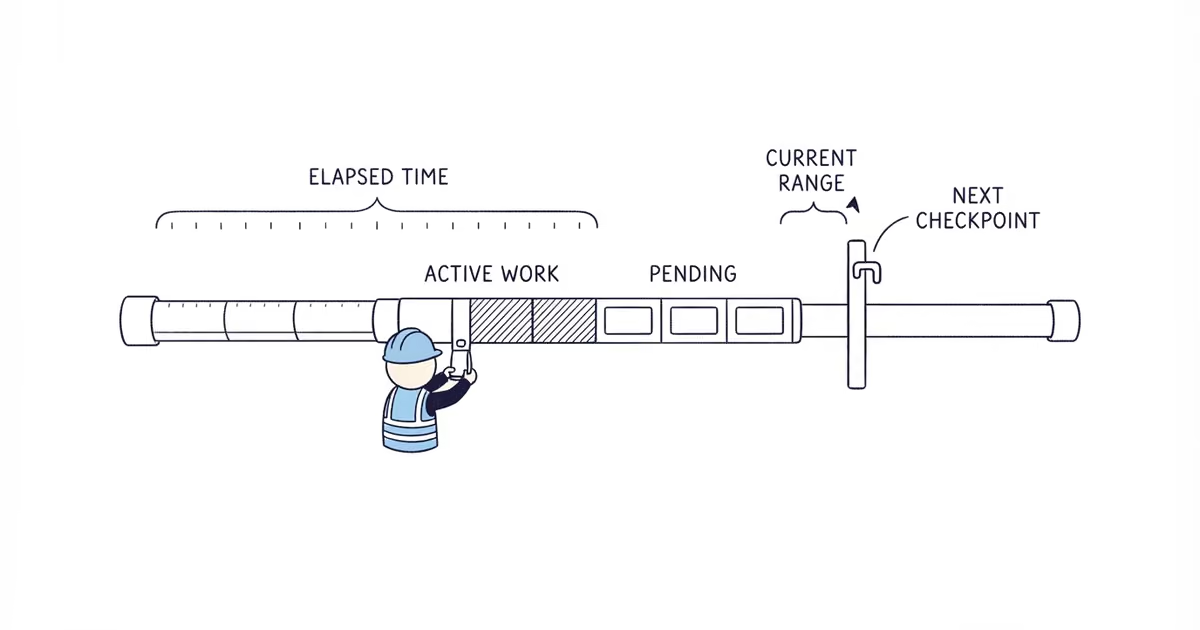
Do not promise another company’s return, refund, stock, response, or claim. Schedule after intake passes. For a later failure, record crew, visit, storage, handling, and schedule effects; get existing approval before added work or timing changes. Delay is a dependency, not an automatic fee or unlimited extension.
If a replacement changes labor, scope, or timing, the contractor scope-change guide shows how to document, reprice, and approve the difference before updating the installation schedule.
When to accept or decline customer-supplied materials
- Accept: An exact new fixture is complete and reviewed for installation, companion parts, labor, handling, records, and workmanship.
- Accept with conditions: Finish material awaits delivery, quantity, lot, condition, completeness, and storage checks.
- Decline: An unidentified, used, damaged, incomplete, incompatible, or required-but-unlisted safety-critical item lacks a responsible installation path; this does not declare it unlawful.
Who handles warranties on customer-supplied materials?
Last verified: August 31, 2026 (United States).
Separate product coverage, claims, proof of purchase, replacement labor, and workmanship. Customer purchase does not automatically void or preserve warranties; written terms and actual cause control.
For covered consumer-product written warranties, 15 U.S.C. Section 2302(c) and 16 CFR 700.10 generally restrict conditioning coverage on a named brand or authorized service unless the item/service is free or a waiver applies. This establishes no universal coverage and does not prevent denial for a defect actually caused by an incompatible part or improper service. For covered warranties, 16 CFR 701.3 identifies warrantor, covered item, duration, provider action, consumer duties, and claim procedure; it is not a workmanship template.
Customer purchase does not transfer promised installation quality, supervision, contractor-controlled handling, safety duties, or compliance. It does not require work beyond the business’s capabilities or requirements. Where federal construction rules apply, 29 CFR 1926.250 covers material storage; this is no job-specific safety review.
Frequently asked questions
What if the customer brings a different model than the one approved?
Pause that item. Update the record and rerun identity, approved use, compatibility, completeness, requirements, labor, and warranty-owner checks for the replacement model. The prior decision does not release a different product.
Can a contractor install used customer-supplied materials?
Used is not an automatic yes or no. Record the exact identity, condition, completeness, available storage history, official instructions, and inspection limits. Accept only if required conditions can be verified; otherwise hold or decline the item.
Can a contractor accept some customer-supplied items and decline others?
Yes, when each item has its own decision record. Release only items that pass or clear named conditions, and record which installation work remains held or declined. One accepted item does not release the rest of the customer-supplied order.
Sources
Customer-supplied material installation checklist
- The item matches the controlled record.
- Every condition is cleared and documented.
- Instructions, labels, photos, quantity, and components are saved.
- Handling, storage, labor, and approved added work are ready.
- Return, replacement, product-record, and workmanship owners are clear.
- The crew receives one installation decision, not just a receipt.
- pricing
- should-a-contractor-install-customer-supplied-materials
- install-customer-supplied-materials
- customer-supplied-material-inspection-checklist
- customer-supplied-material-warranty
- customer-supplied-materials-contractor