What Business Email Address and Phone Number Should a Contractor Use?
Choose a business email and phone number for contractors, including a domain address, local number, shared access, number porting, and call tracking rules.

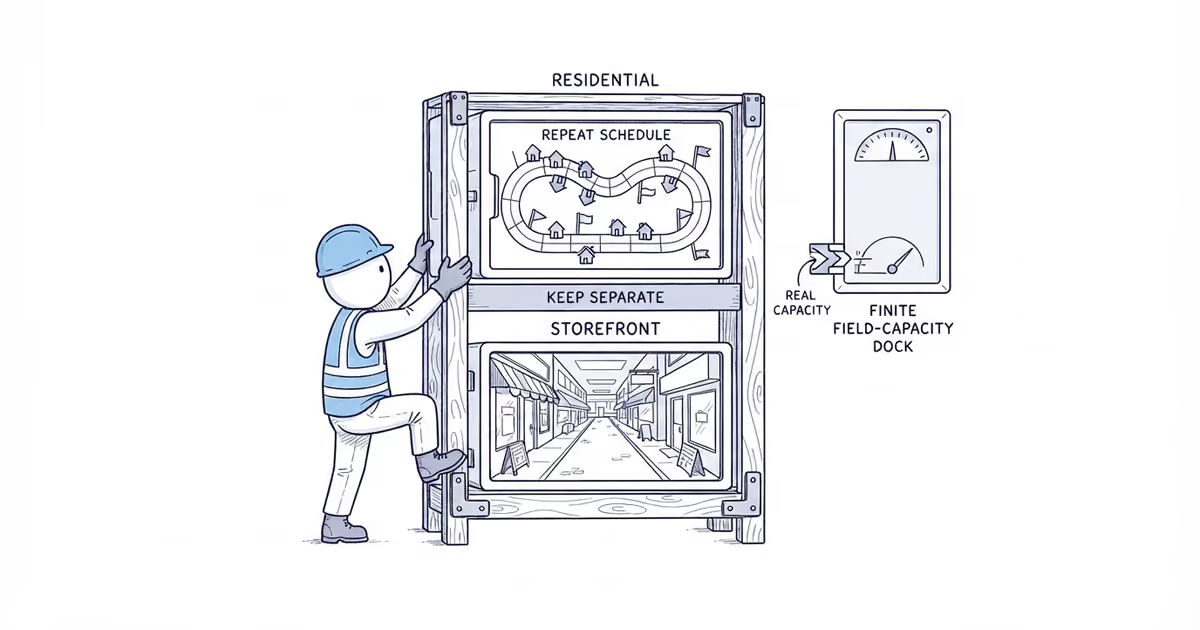
Use an email address on a domain your business controls and one stable primary phone number the company can keep; add tracking numbers only to named channels you are actively measuring. A practical default is firstname@business.com with estimates@business.com feeding a monitored inbox, plus a local business number that reaches the owner or team and can remain with the company.
Contact-platform guidance checked: August 27, 2026 (United States).
Which Business Email and Phone Setup Fits Your Company?
| Setup | Outbound email | Role inbox | Stable public phone | Access | Tracking number | Upgrade trigger |
|---|---|---|---|---|---|---|
| Solo owner deliberately keeping a personal cell | Named domain address; clean free-mail if the name is unsettled | estimates@ alias to owner | Cell, only if intentionally public and permanent | Owner controls admin and recovery | No | Needs privacy, hours, shared answering, or handoff |
| Solo owner separating work from personal contact | firstname@business.com | estimates@ alias to owner | Dedicated local number routed to owner | Owner controls all three accounts | No | Another person needs access |
| Small crew with an office or dispatcher | Individual named addresses | Shared or delegated role inbox | Dedicated local number with routing and voicemail | Individual sign-ins; named owners | Only for a measured channel | Duties or routing change |
| Business measuring a paid campaign | Normal named sender | Existing monitored role inbox | Primary remains public; campaign number forwards to it | Business controls both providers | Yes, for that campaign | Campaign, vendor, or forwarding ends |
Both solo setups are valid. Keeping a cell is not amateur, and phone software is not mandatory. Choose based on public exposure and whether someone else will need access.
Who Should Control Your Business Email and Phone Accounts?
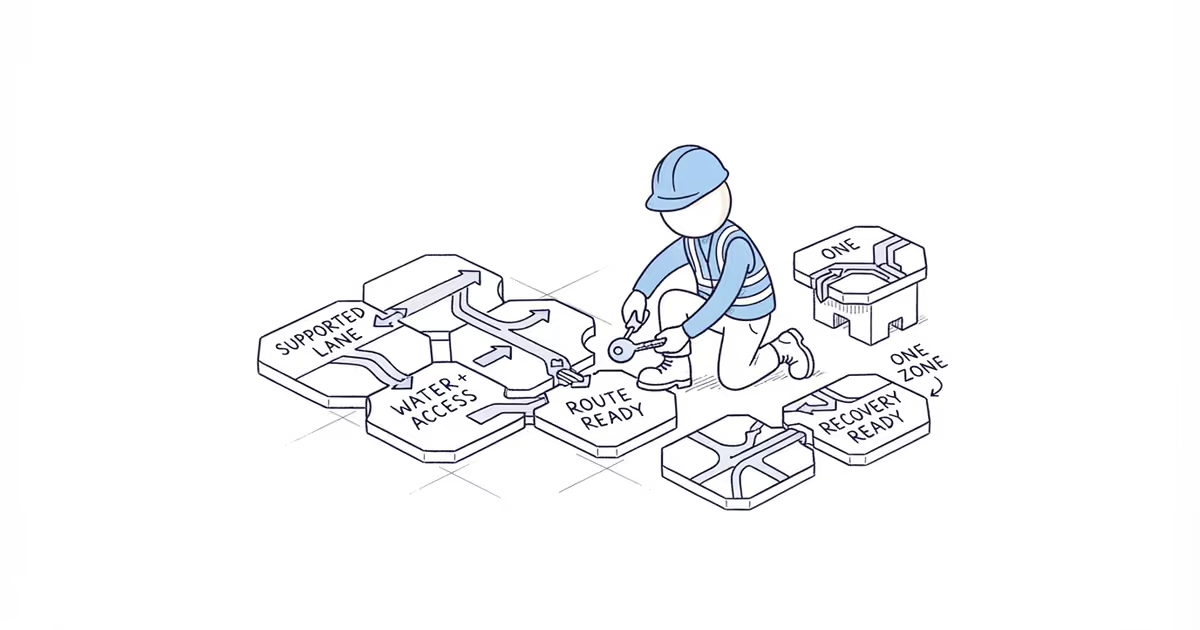
Control means the business owns or administers:
- the domain registrar and renewal;
- the email administrator account;
- the phone-provider and tracking-provider accounts;
- the payment method and recovery email or phone; and
- the records and credentials needed to request a number transfer.
Do not leave an employee, agency, vendor, or former partner as the only administrator. Turn on domain auto-renewal, keep recovery methods current, and follow CISA’s recommendation to use MFA for important accounts.
Should Contractors Use a Named or Role Email Address?
Google Workspace confirms that business email can use the company’s domain. The host can change; domain control keeps the public address usable.
Use maria@business.com for conversations sent by Maria. Use a role address when work must survive a staffing change:
estimates@business.comfor job requests;office@business.comfor operations; orbilling@business.comfor invoices.
A solo owner can route aliases to one inbox. Do not invent departments or publish an unowned info@ address.
For a crew, use individual sign-ins plus a supported shared, group, or delegated inbox. Do not share one password, and remove access when duties change or staff leave.
If the name or domain is unsettled, use one clean free-mail address based on the exact business name, without nicknames or random digits. Plan the move before it spreads across years of records.
Can a Contractor Use a Personal Cell Phone for Business?
A personal cell can remain the primary business number when all four conditions apply:
- You accept that the number will be public.
- You intend to keep it long term.
- You can answer or return calls with a business greeting.
- No one else needs shared access to calls, texts, voicemail, or customer history.
Add a separate line or VoIP when you need privacy, business hours, shared answering, missed-call routing, company-held history, or an office handoff. These are operating triggers, not reasons to buy a large plan.
Should a Contractor Use a Local Phone Number?
Use an appropriate local number for a real local market. The area code neither proves an office nor guarantees rankings; never use it to imply a false location.
A toll-free number fits a genuinely broad footprint, not an attempt to look larger.
Google’s Business Profile guidelines say the number should reach the individual business, remain under its direct control, and use a local number instead of a central helpline whenever possible. Profile editing and wrong-number diagnosis are separate jobs.
How to Keep a Business Phone Number When Switching Providers
Confirm the provider supports the calling, voicemail, and texting you offer. Keep account, billing, PIN, and recovery records under company control. Ask what a future transfer needs; not every number can be ported.
The FCC’s number-porting guidance tells customers changing providers to start the transfer with the new company and not cancel the old service first. Keep the old service active until the new provider confirms that the port is complete.
Should Contractors Use Call Tracking Numbers?
Use a tracking number only when you can state:
- the channel or campaign it measures;
- the stable primary number it forwards to;
- who controls the provider account;
- how the calls will be evaluated; and
- what happens to the number when the campaign or vendor ends.
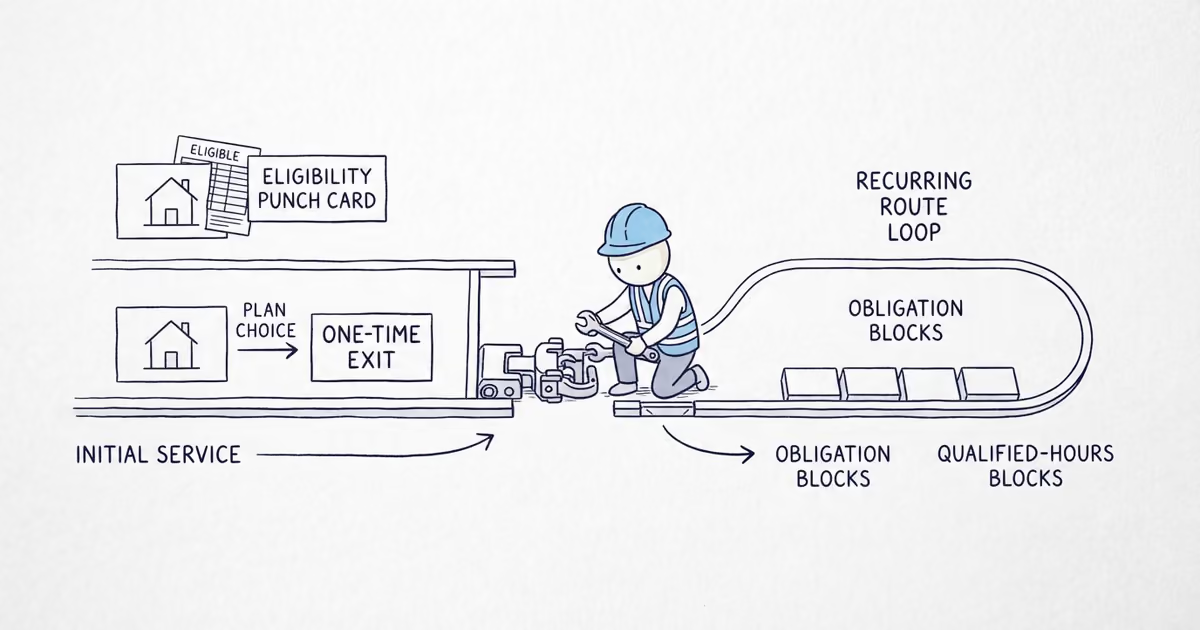
Keep one stable primary number in the business’s source-of-truth record. Do not scatter unexplained vendor-owned numbers across permanent profiles, trucks, estimates, and invoices.
If old or conflicting numbers already appear on Google, Facebook, Apple Maps, Bing, Yelp, or directories, a local listings cleanup can align the main customer-facing records around the stable primary contact details.
Before putting the number on a work vehicle, use the contractor truck branding guide to confirm both the contact route and marking format.
Google Ads documents call reporting and forwarding-number behavior, but dynamic number replacement, Google forwarding numbers, call-duration rules, phone-link clicks, and source attribution belong in the separate guide to tracking website calls and forms. A forwarded call, click, or duration threshold does not prove a qualified lead or won job.
How to Test a Contractor Email and Phone Setup
- Minutes 1-2: Send an email from the business address to an outside inbox, reply, and check the sender name, reply address, and signature.
- Minutes 3-4: Call the business from an outside phone, then return the call and check the outbound caller ID.
- Minutes 5-6: Leave a voicemail and confirm the responsible person can retrieve it.
- Minute 7: Send and receive a text only if the business promises texting.
- Minute 8: Call outside normal hours and confirm the greeting and routing match what the business actually promises.
- Minute 9: Confirm a company-controlled administrator can reach the domain, email, and phone recovery settings.
- Minute 10: Write down each failure, assign one owner, and retest it.
Fix a failed route before publishing another address or number.
Frequently Asked Questions
Can my team share one contractor business phone number?
Yes, if the phone service supports individual access and routes calls, texts, and voicemail to the responsible people. Keep the account under company control, avoid shared passwords, and test every route after access or duties change.
What should I do with a call tracking number after a campaign ends?
Do not remove it blindly. Confirm who owns it, where it forwards, and every active place that displays it. Then follow the campaign’s retirement plan, update those placements to the stable primary number, and test the customer path.
Sources
- local-seo-foundations
- business-email-and-phone-number-for-contractors
- contractor-business-email-address
- contractor-business-phone-number
- local-phone-number-for-contractors
- contractor-call-tracking-number