What should a contractor proposal include?
Learn what a contractor proposal should include, from scope, price, and responsibilities to proof, warranty, version control, and customer acceptance.
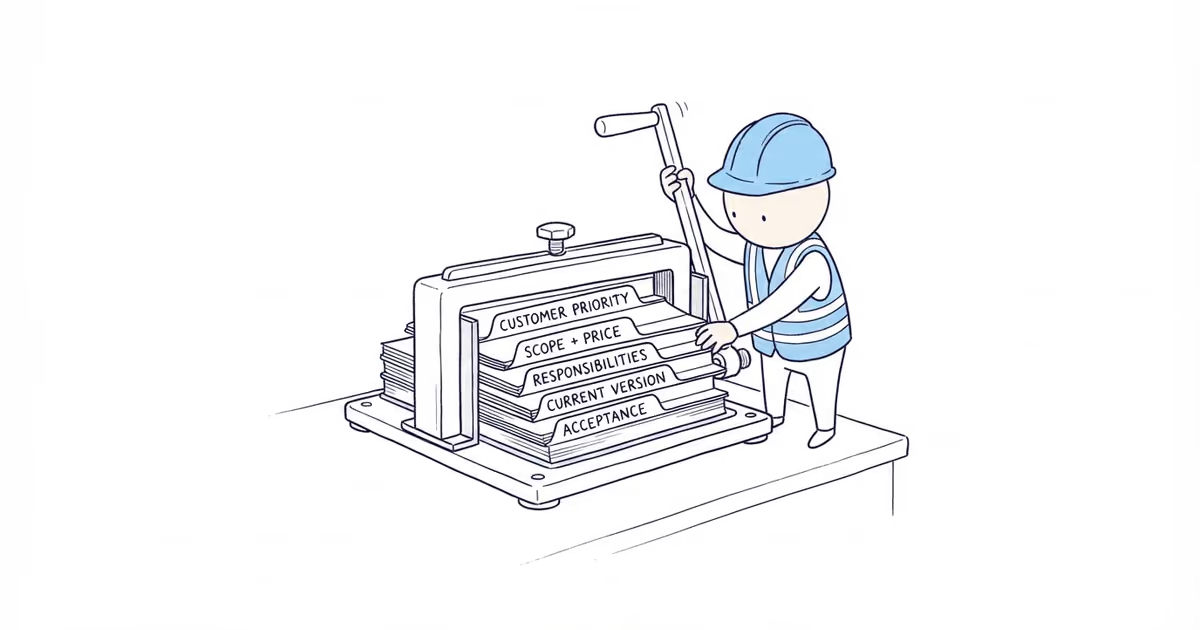
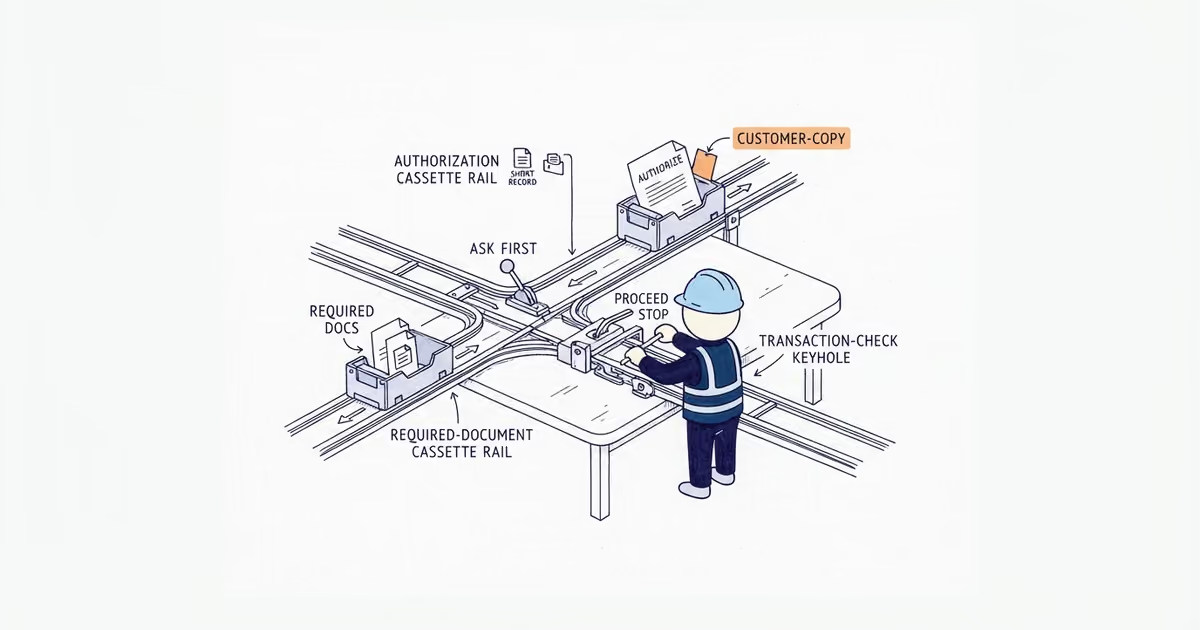
A contractor proposal should identify the customer and job, restate the customer’s priority, show the basis and recommended result, summarize scope and price, assign schedule responsibilities, include only relevant proof, state warranty and change handling, and end with a version-specific acceptance step. Use this order: control header; customer priority; proposal basis; recommended result; scope and exclusions; price and choices; schedule and responsibilities; conditional proof; warranty; change process; version and expiration; acceptance and next trigger.
The estimate supplies the commercial inputs. The proposal arranges them around the customer’s decision and next step.
If those commercial inputs are not ready, use our contractor estimate generator to organize the scope, allowances, options, exclusions, and totals, then export the customer PDF before you assemble the proposal.
Last verified: August 31, 2026 (United States).
What goes at the top of a contractor proposal
Start with the exact business name, customer, service address, project, proposal number, version, issue date, and valid-through date. Keep the version in the document, not only the filename, so the current proposal is obvious.
Follow that with a short Customer priority block. Use three fields:
- Problem: What practical issue prompted the job?
- Requested outcome: What does the customer want completed or changed?
- Important constraint: What access, timing, occupancy, material, budget, or site condition affects the recommendation?
Use site facts. “Replace the unreliable upstairs system while keeping the first-floor system in service” is useful. “Deliver premium comfort and peace of mind” is not.
What to include in a contractor proposal recommendation
The Proposal basis records the site-visit date, drawings or specifications, measurements, visible conditions, customer selections, access assumptions, and pending inputs. It shows what you knew when pricing the work.
State the Recommended result in one short paragraph without repeating every line item. The estimate still owns the detailed scope and price.
Move the settled commercial information into three proposal blocks:
- Scope and exclusions: Show included work, the key boundary, and any allowance or optional work already defined.
- Price and choices: Keep the base total with its scope. Name the selected option, separate unselected work, and state the payment trigger without exposing internal cost or margin.
- Schedule and responsibilities: Give the timing expectation and dependencies. Assign access, selections, utilities, permits, parking, pets, site readiness, and approvals to named parties.
An unconditional start date is wrong when the permit, product selection, or site access is still unresolved. Name the dependency and its owner.
What proof and warranty details belong in a contractor proposal
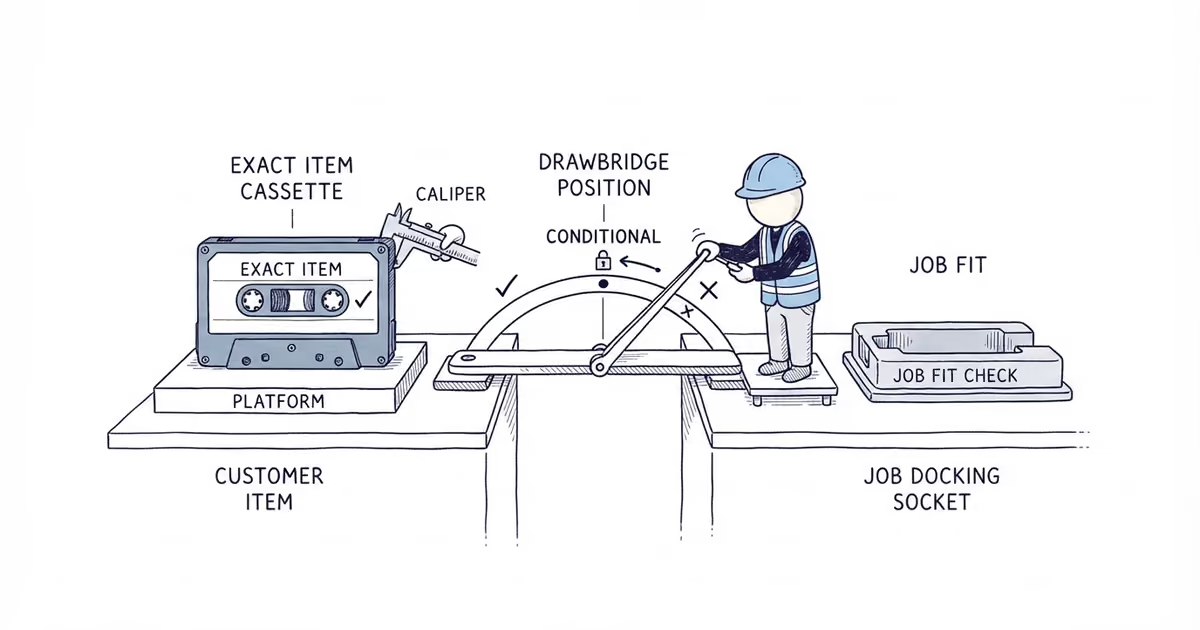
Proof is conditional. Add a current credential, insurance record, comparable project, review, photo, or process note only when it answers a material concern. A small service call may need none. Do not turn the proposal into a brochure.
Keep workmanship and manufacturer or product warranties separate. Name each provider, covered work or product, duration, important conditions, and claim path. “Warranty included” is not enough.
The Change process should point to the written path for a changed scope, selection, quantity, concealed condition, or schedule effect. Preserve the original boundary and require documentation and approval through the applicable agreement.
How should a customer accept a contractor proposal?
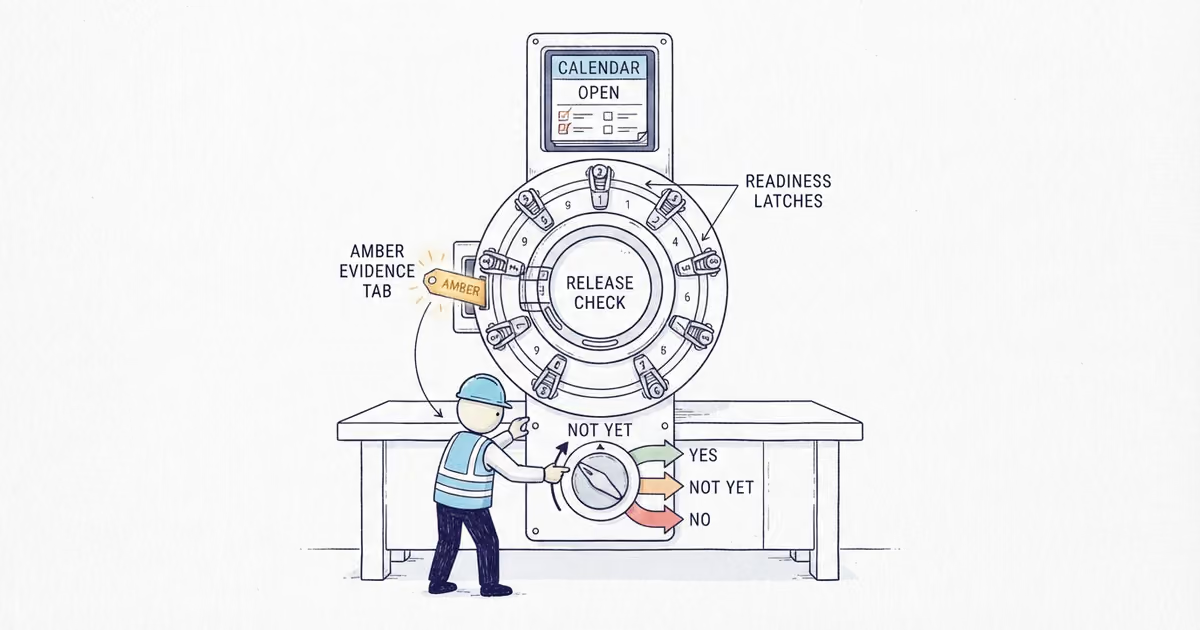
The acceptance block identifies the proposal and version, selected scope or option, signer, method, date, expiration status, and next trigger. That trigger might be a final agreement, applicable deposit, material selection, or scheduling confirmation.
Electronic form alone does not settle acceptance. 15 U.S.C. Section 7001 generally prevents a signature, contract, or record from being denied effect solely because it is electronic, but not every click or typed name completes every transaction. The FTC supports putting the work, materials, completion timing, and price in writing and tells customers to check state law. The California Contractors State License Board shows how detailed one state’s rules can be; do not treat them as national rules.
Check the state, local, trade, and job-specific requirements where you work. This assembly checklist is not a contract or legal-compliance checklist.
Contractor proposal example structure
For an illustrative HVAC replacement, the proposal could pull these already-settled inputs together:
| Module | Placeholder input |
|---|---|
| Customer priority | Replace [problem equipment] to achieve [requested outcome] while preserving [important constraint] |
| Proposal basis | Site visit [date]; measurements [record]; selected equipment [reference]; visible conditions [notes] |
| Recommended result | Install [selected system] for [defined area or result] |
| Scope and price | Accepted estimate [number/version]; included scope [reference]; exclusion [boundary]; total [approved total] |
| Schedule and responsibilities | Start depends on [permit/product/access input]; [party] owns the next action |
| Proof and warranty | Relevant proof [item or omitted]; workmanship provider [contractor]; product provider [manufacturer] |
| Acceptance | Customer selects [base scope/option]; next trigger is [agreement/deposit/selection/scheduling step] |
These are assembly fields, not a complete estimate, product recommendation, legal clause, or typical price.
Contractor proposal assembly checklist
| Module | Required input | Status | Source or owner | Pass/fix test |
|---|---|---|---|---|
| Control header | Business, customer, address, project, number, version, dates | Required | Office/job record | Pass: job and customer are unmistakable. Fix: add missing identifiers. |
| Customer priority | Problem, requested outcome, important constraint | Required | Site visit/customer notes | Pass: all three are job-specific. Fix: replace promotional copy with facts. |
| Proposal basis | Visit, measurements, drawings, selections, conditions, open inputs | Required | Estimator | Pass: inputs are traceable. Fix: name what was used and remains open. |
| Recommended result | Proposed work path and result | Required | Estimator/trade lead | Pass: it matches the scope. Fix: remove unsupported promises. |
| Scope and exclusions | Included work, key boundary, allowances or optional work | Required | Accepted estimate | Pass: boundaries are clear. Fix: reconcile labels with the estimate. |
| Price and selected options | Base total, selection, unselected work, payment trigger | Required | Accepted estimate | Pass: one scope maps to one total. Fix: separate choices and correct amounts. |
| Schedule and responsibilities | Timing, dependencies, owner for each input | Required | Operations/customer record | Pass: every dependency has an owner. Fix: assign open tasks. |
| Relevant proof | Current evidence for a material concern | Conditional | Verified proof record | Pass: relevant, current, or omitted. Fix: remove generic or stale proof. |
| Applicable warranty | Provider, coverage, duration, conditions, claim path | Conditional | Contractor/product terms | Pass: coverage types are separate. Fix: replace vague warranty labels. |
| Change process | Written path for changed work or conditions | Required | Applicable agreement | Pass: boundary and approval path are visible. Fix: remove automatic additions. |
| Version and expiration | Version, valid-through date, superseded-file control | Required | Proposal owner | Pass: only the current version is selectable. Fix: mark the old one superseded. |
| Acceptance and next trigger | Version, scope, signer, method, date, status, next action | Required | Customer/proposal owner | Pass: selection and next action are exact. Fix: name both. |
Before sending, compare the proposal with the underlying estimate and applicable agreement. Totals, option names, exclusions, warranty details, dates, and the next step must match. If any of them changes, issue a new visible version instead of silently replacing the file.
Frequently asked questions
Should a contractor proposal include license and insurance?
Include current license or insurance information only when it applies to the trade, job, customer, or local requirements. Keep it in a compact proof block, identify what was verified and when, and do not let it replace the scope, price, or boundaries.
What customer responsibilities should a contractor proposal state?
State responsibilities that can affect scope, price, schedule, or site access, such as selections, utilities, permits, parking, pets, or site readiness. Name the responsible party and any real deadline instead of using a generic customer-responsibilities clause.
Can a customer accept an expired contractor proposal?
Do not treat an expired proposal as current automatically. Recheck the scope, price, material availability, schedule, and applicable terms, then issue a new dated version if you still want to offer the work.
- pricing
- what-should-a-contractor-proposal-include
- what-to-include-in-a-contractor-proposal
- contractor-proposal-checklist
- contractor-proposal-example
- contractor-proposal-acceptance