What should a contractor say when a customer needs to think about an estimate?
Learn what to say when a customer needs to think about an estimate. Ask one neutral question, clarify missing details, and agree on a no-pressure follow-up.
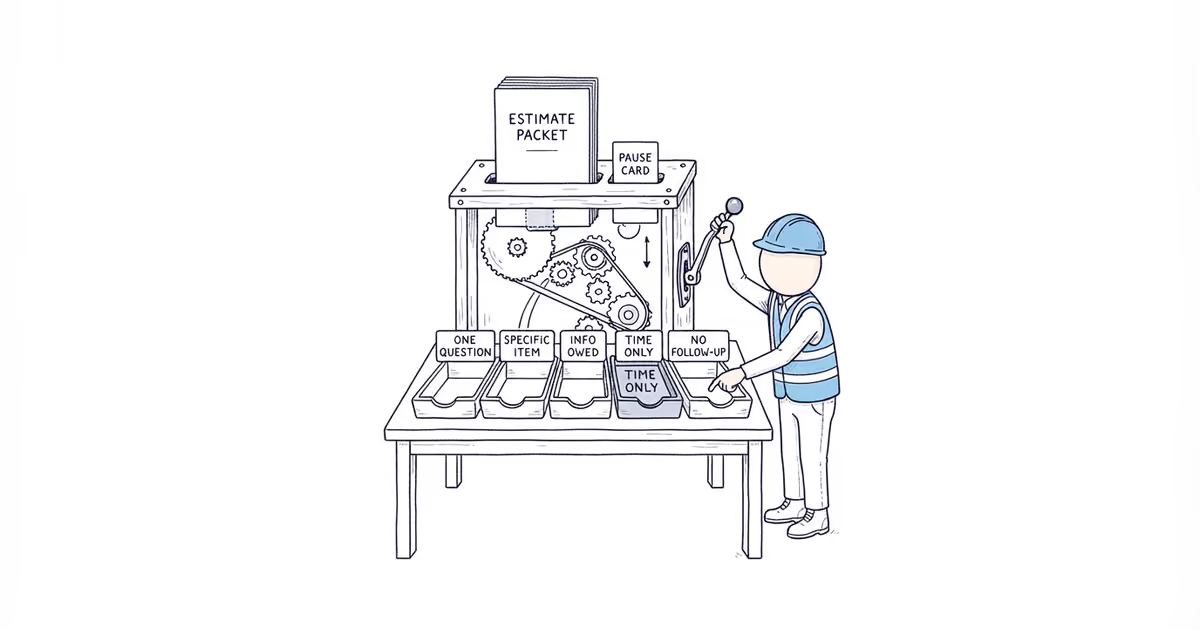
Say:
Of course. Is there anything specific in the scope, options, timing, or next step you want me to clarify, or do you just need some time to review it?
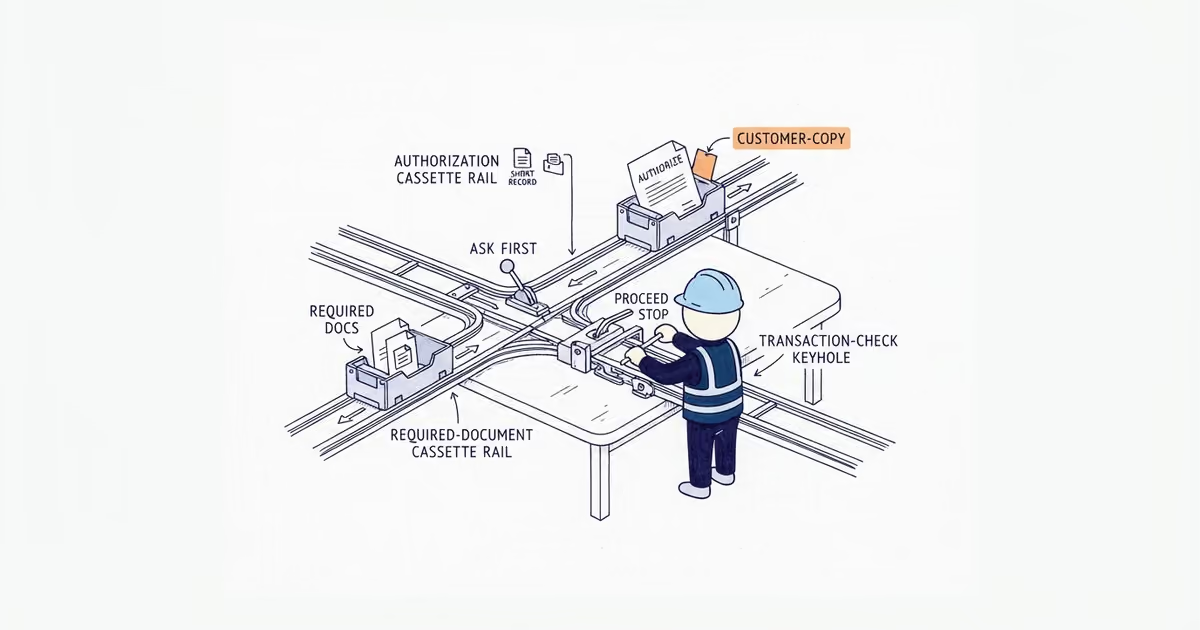
When a customer needs to think about an estimate, ask once, then use the answer. Do not make the customer defend needing time or assume the pause means price, distrust, another contractor, a spouse, or rejection.
What to say when a customer needs time to review an estimate
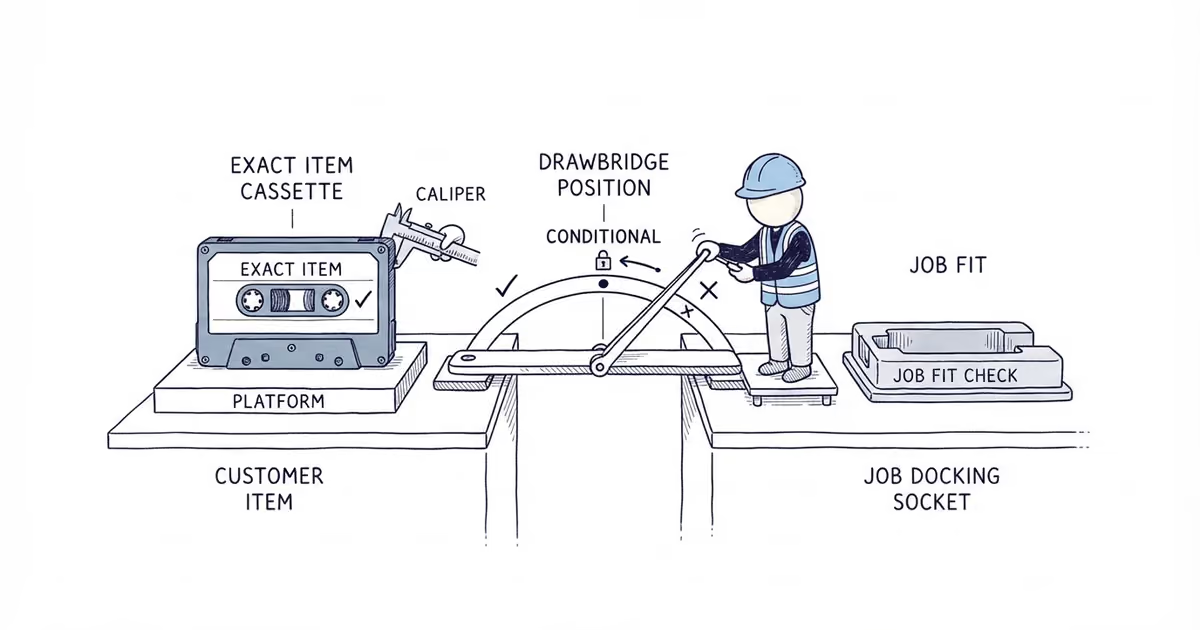
The question separates two situations: the customer has one unresolved item, or the customer simply wants time. Both answers are acceptable.
If they name an item, deal with that item. If they say they only need time or do not want to explain, stop probing. Do not follow with “What is really holding you back?” or “What would it take to earn your business today?” Repeating the whole pitch turns a reasonable pause into pressure.
How to respond to “I need to think about it”
1. The customer has a specific question
Answer only the point they name and tie it to the estimate:
On estimate
[version], the[scope, option, timing, or next-step field]means[plain answer]. I will leave the rest with you to review.
Do not reopen every benefit or defend a price the customer did not question.
Record: The question, the exact estimate field, and the answer given.
Stop: The named point is answered. Wait for the customer to ask for something else.
2. The contractor owes information
Name the missing item and make a delivery commitment:
I do not want you deciding without that. I will send
[specific document, measurement, product detail, or schedule answer]by[real day and time]. After you have it, would[day, time, and channel]be useful for a quick review?
The review point comes after the promised information is due. Do not ask for a decision first.
Filled HVAC example
The customer wants to confirm whether the selected thermostat will work with the zoning controls. The contractor says:
I do not want you choosing the system without that answer. I will send the thermostat compatibility sheet and mark the selected model by Wednesday at 4 p.m. After you have reviewed it, would a quick text check-in Thursday at 10 a.m. be useful?
The customer agrees to Thursday by text. The contractor has not defended the price or asked for acceptance.
Record: The missing item, send owner, delivery time, and customer-approved review point.
Stop: The information and review point are agreed. Send what was promised before contacting the customer again.
3. The customer only needs time
Give them control over the next contact:
No problem. Would
[day and time]be useful for a quick check-in by[preferred channel], or would you rather contact me when you are ready?
Use a real date that fits the customer’s request. This is one agreed review point, not the start of a follow-up sequence.
Record: Time only, whether follow-up was invited, and the agreed date, time, and channel.
Stop: The customer chooses one check-in or customer-led contact. Do not add another ask.
4. The customer does not want follow-up
Close cleanly:
Understood. I will leave the estimate with you. You can reach me at
[working phone or email]if a question comes up.
If the estimate already has a valid-through date and it matters, state that existing date once. Do not create a new deadline or imply that a crew slot will disappear.
Record: No follow-up requested, the contact route left, and the current estimate version.
Stop: End the conversation. Do not turn “contact me” into permission to chase.
If the estimate has only just been delivered and the customer has not asked for time, the estimate follow-up text guide gives separate delivery, no-reply, and close-the-loop messages with one clear next step.
How to route a different estimate question
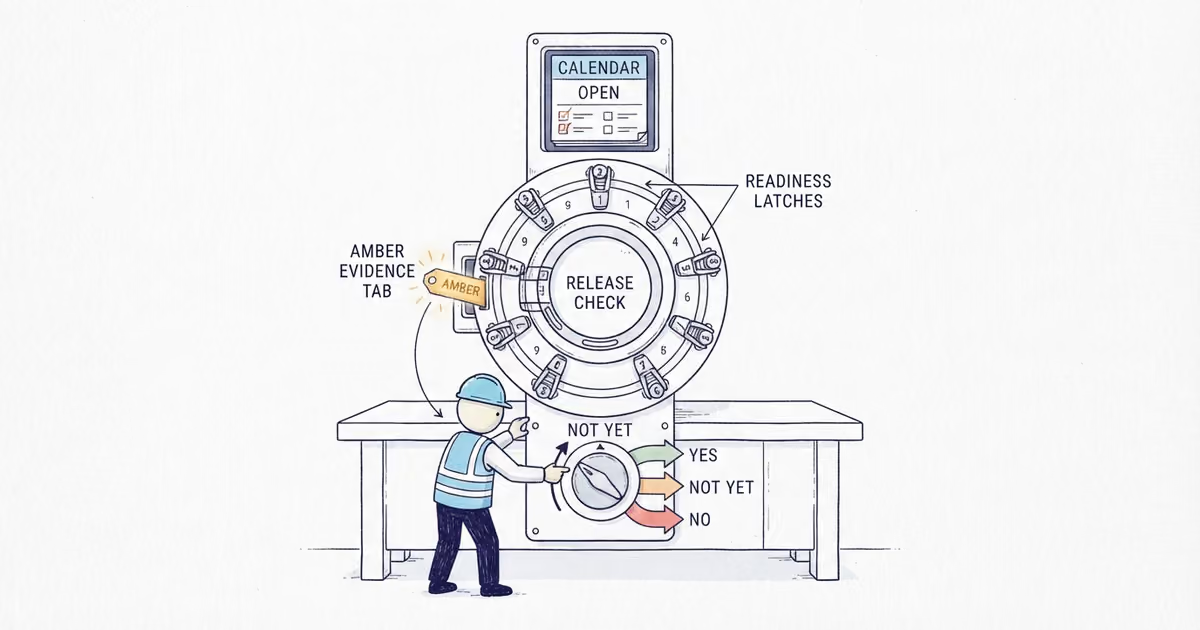
Once the customer names a different issue, this script has done its job.
- If they say the price is too high, the contractor price-objection guide helps identify whether the issue is expectation, budget, another quote, or timing before you decide whether anything should change. Do not offer an unsolicited discount here.
- If another person needs to review the estimate, move to a shared-review conversation rather than trying to bypass them.
- If they mention another quote, do not criticize the competitor or start a comparison pitch without knowing the actual question.
- If they say no, reply, “Understood. Thanks for letting me know,” and stop.
- If they explicitly accept, move to the controlled acceptance process. Do not treat the think-it-over conversation as approval.
What to record after an estimate conversation
Keep one note with:
Estimate version:
Unresolved item or time only:
Information promised:
Send owner and due point:
Follow-up invited: yes / no
Agreed day, time, and channel:
The conversation is complete when the question is answered, promised information and one review point are agreed, the customer chooses to contact you, or the customer declines. Stop there.
Frequently asked questions
Should I offer a discount when a customer needs time to think?
No. Needing time is not a price objection. Discuss price only if the customer raises it.
What should I text after sending an estimate?
Use a separate delivery or no-reply message. This script applies only after the customer asks for time.
- pricing
- what-to-say-when-customer-needs-to-think-about-estimate
- what-should-a-contractor-say-when-a-customer-needs-to-think-about-an-estimate
- what-to-say-when-customer-says-i-need-to-think-about-it
- customer-needs-time-to-review-estimate
- contractor-estimate-follow-up