How to Stop No-Shows and Buddy Punching at Unmanned Posts
A guard post with no supervisor is the easiest place in the world to skip a shift or have a friend clock you in. Here is how no-shows and buddy punching actually happen on solo posts and how to shut both down.
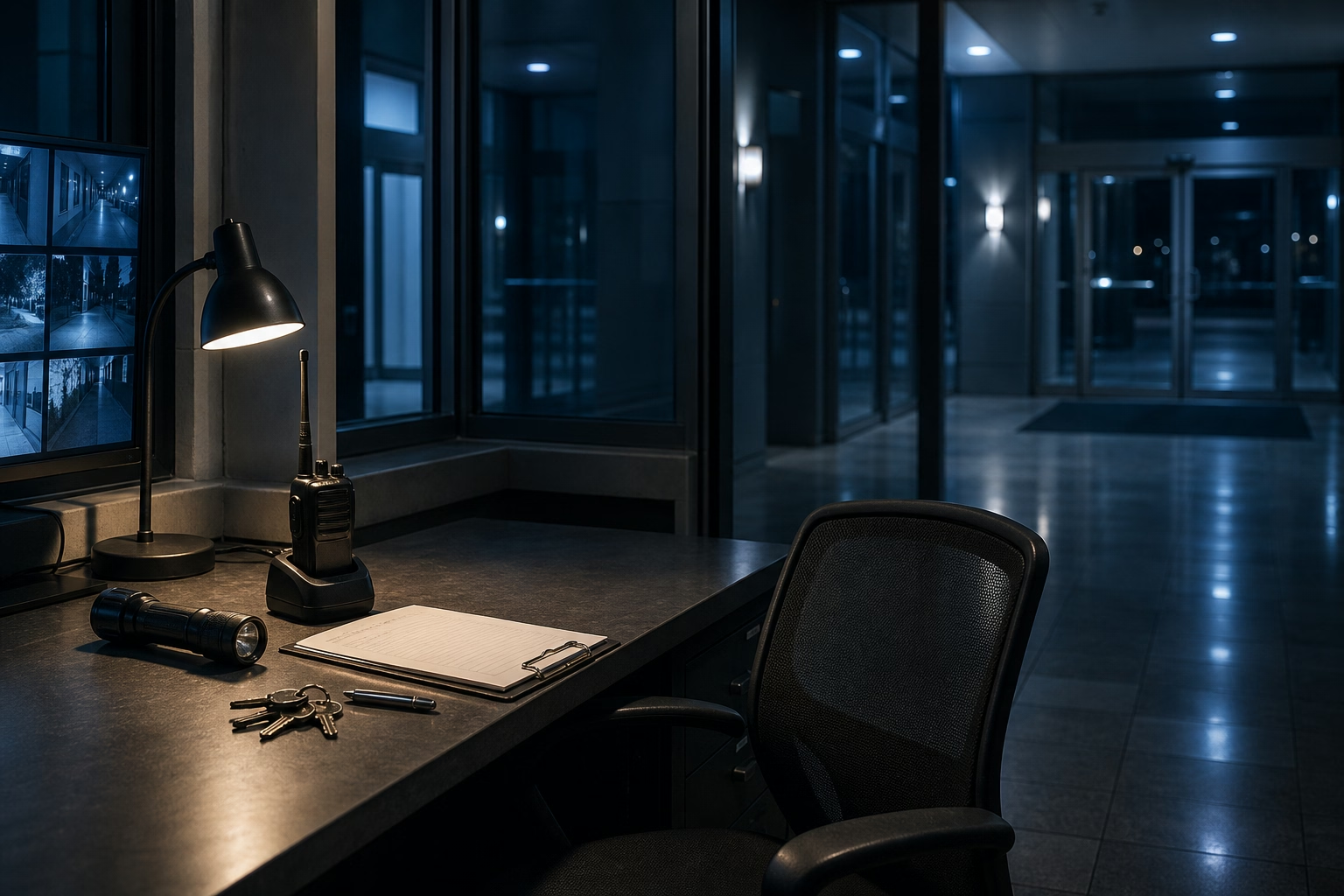
The Empty Post You Find Out About Too Late
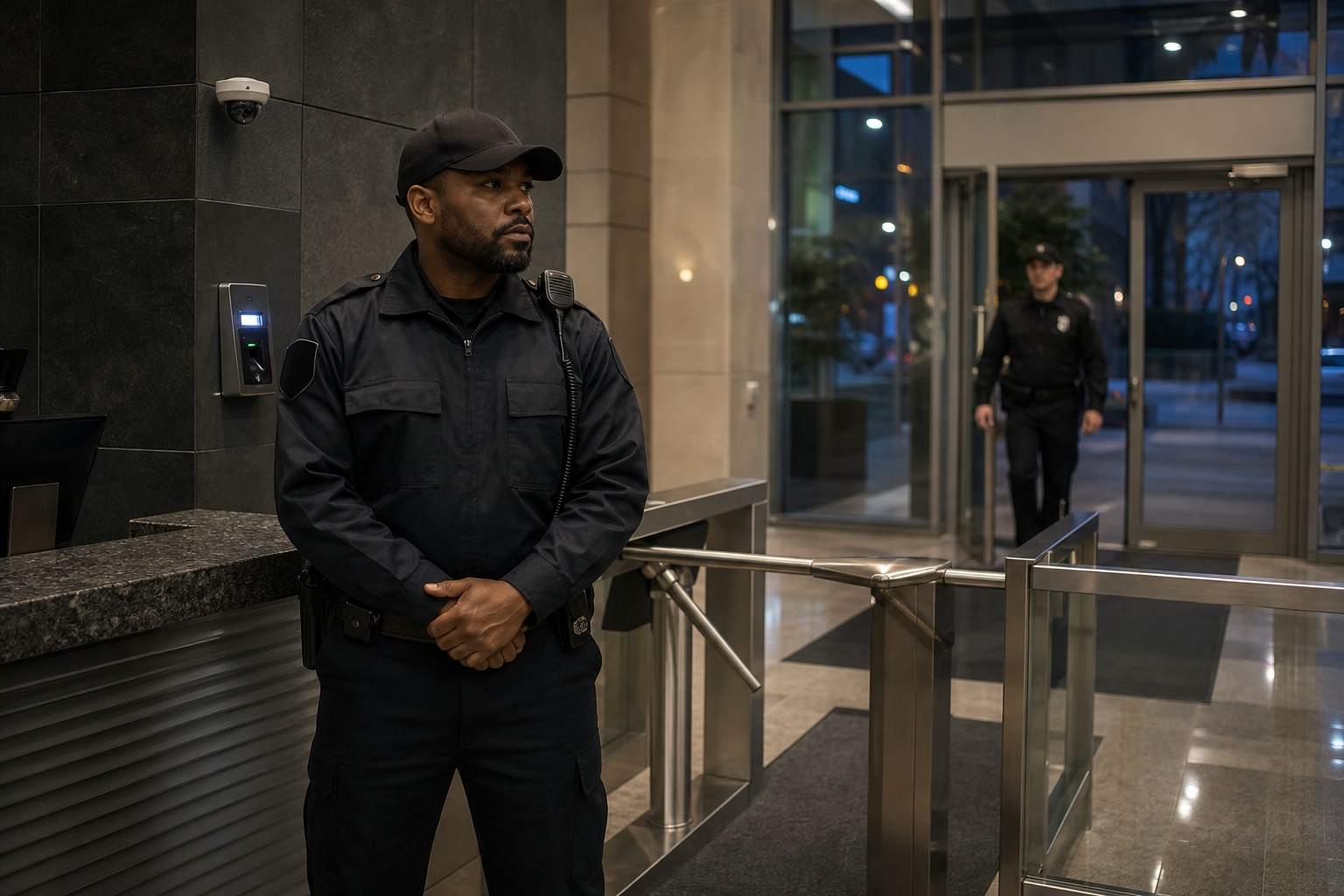
The nightmare in guard work isn’t a guard who shows up five minutes late. It’s the post that was never manned at all — and you don’t learn about it until the client calls, or until something happens at a site that was supposed to be watched and wasn’t.
Two failures produce that empty post, and they share a single root cause. The first is the straight no-show: the guard who decides not to come in, or oversleeps, on a solo post where nobody’s there to notice. The second is buddy punching: the guard who has a friend clock him in by PIN or shared device so the record looks clean while the post sits empty or half-covered. Both thrive in the same conditions — no supervisor, no witnesses, and a clock-in method that verifies a credential instead of a person.
The unmanned post is the whole business model of a guard company. It’s also its single biggest accountability hole. You can’t put a supervisor at every solo post; that defeats the point. So the verification has to live in the clock-in itself.
Why the Usual Controls Fail Here
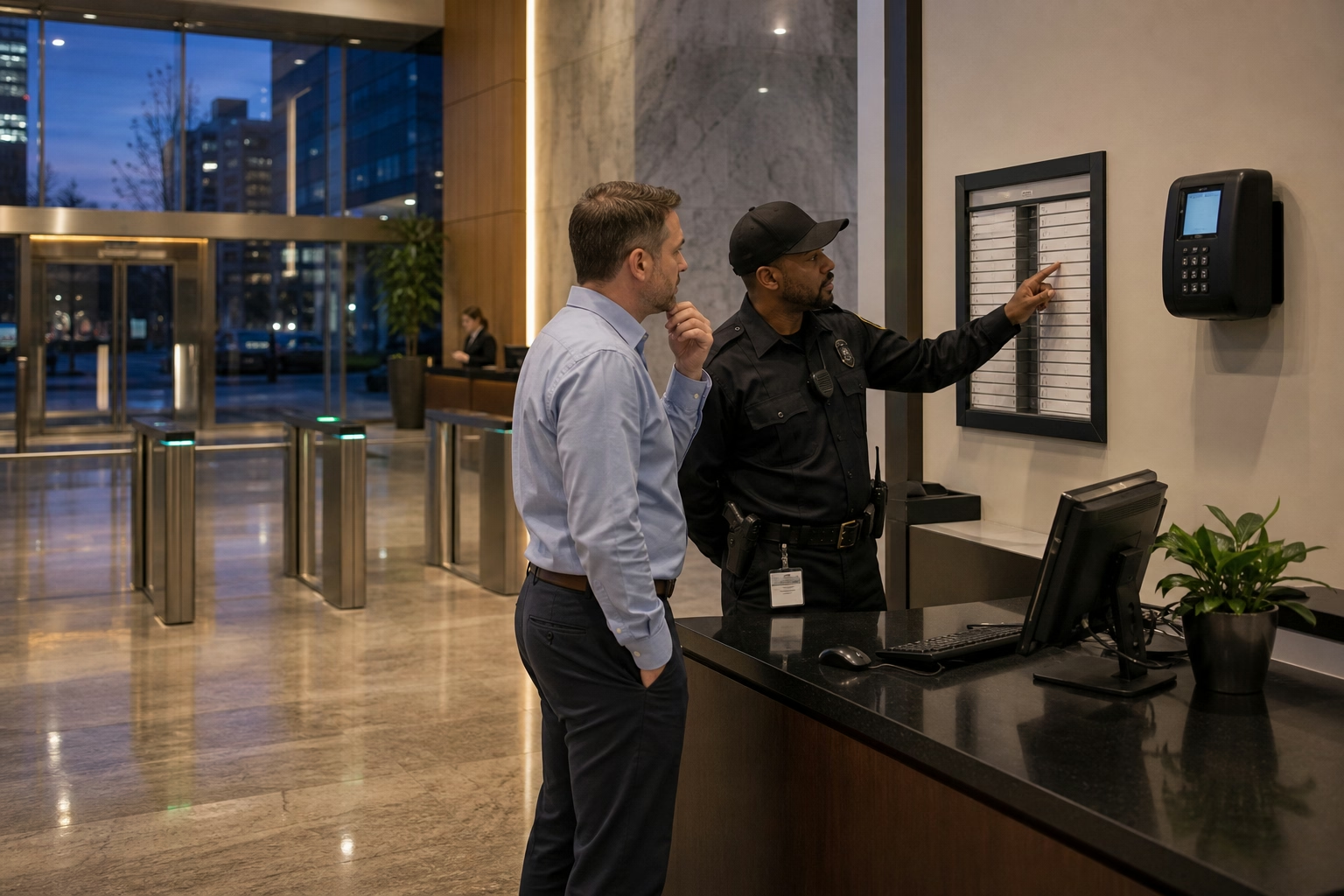
PINs and shared devices. A PIN is four numbers a buddy can enter from anywhere. A tablet bolted to the gatehouse can be operated by whoever’s holding it. Neither knows who actually pressed the button — the only thing that matters at a solo post.
Paper sign-in sheets. Filled in by hand, after the fact, by the very person whose attendance is in question, with no one watching. A sheet can be completed for a shift that never happened.
Discovering it at payroll or on the incident report. By the time a no-show surfaces in Friday’s timesheets or a client complaint, the damage is done. The post was unwatched and you had no chance to fix it. Detection that arrives after the shift isn’t detection that helps.
Random supervisor drive-bys. They cover the one post the supervisor reaches, on the one night they reach it. Useful as a deterrent, useless as systematic coverage.
The pattern is the same as it is for field crews: every one of these controls checks a credential or arrives too late. The fix has to verify the actual person, at the actual post, in real time.

What Actually Shuts Both Down
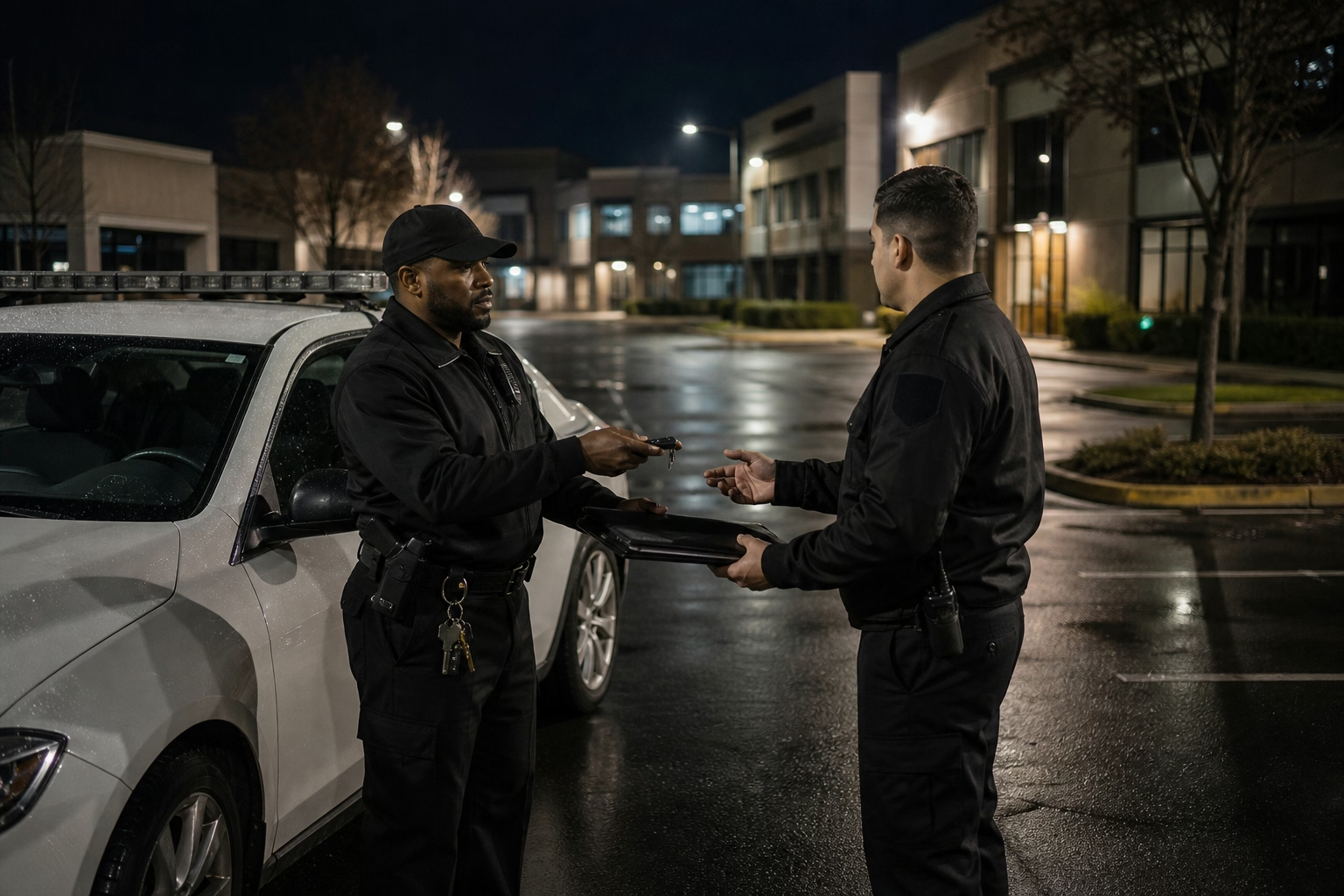
Missed-punch alerts in real time. This is the no-show killer. The guard is scheduled for 10 PM, and by 10:08 there’s no clock-in — you get a notification immediately, while you can still call the guard or dispatch a replacement. The empty post turns from a next-day disaster into a problem you solve tonight. Catching it live is the single biggest change, because most no-shows persist only because nobody noticed in time. It also kills the late starter who counts on no one looking: the guard who used to roll in at 10:40 and write down 10:00 gets flagged at 10:08 instead.
GPS and a selfie on every punch. Together these shut the buddy-punching door. The geofence means a valid punch can only come from the post, so clocking in from home or a car gets caught. And the selfie means the “my buddy clocked me in” move now requires producing the actual guard’s face on site, which a stand-in can’t do. One transferable PIN was the entire loophole; a location and a face close it. (The full mechanism — and how the same record proves the post was manned — is in how to prove your guards were on post.)
One record per guard, on their own device. No shared tablet that anyone can tap five names into. Each punch binds to a single guard, which is what makes the no-show and the stand-in punch impossible to paper over later.
So the alert catches the guard who doesn’t show, and the GPS-plus-selfie catches the guard who tries to look like he showed. Between them, the unmanned post stops being a blind spot.
Keep It Fair to the Honest Majority
Say it plainly, to your guards and to yourself: this is verification at clock-in, not all-night surveillance of the individual. ShiftFlow captures a location and a photo when a guard punches in and out, on the clock — it doesn’t track a guard’s movements continuously through the shift, and you shouldn’t frame it that way. Tell guards exactly what’s captured, keep it in a short written policy, and confirm your state’s rules, since location and photo capture at work varies by jurisdiction. The honest guards — the large majority who show up and work their posts — benefit most, because the record clears them when a client is wrong and stops them from carrying the few who game it.
Empty posts and stand-in punches are the exposure, so see how a time clock built for security teams catches a no-show in real time and verifies every punch, or put ShiftFlow on your posts and stop finding out about gaps from the client.
Frequently Asked Questions
How do I catch a guard no-show before the client does?
Use a time clock that alerts you when a scheduled guard hasn’t clocked in within a few minutes of shift start. Instead of discovering an empty post from an incident report or an angry client, you get a notification while there’s still time to call the guard or dispatch a replacement. The missed punch becomes an early warning, not a post-mortem.
Why are unmanned posts so prone to buddy punching?
A solo post has no supervisor watching, so a guard can have a friend clock him in by PIN or shared device and arrive late, or not at all. The conditions that make a post unmanned are exactly the conditions that make credential-based clock-ins easy to fake. Tying the punch to GPS and a selfie removes the loophole.
How does GPS and selfie verification stop a guard from clocking in from home?
A GPS-stamped clock-in is only valid from the post, and a geofence flags or blocks a punch from anywhere else, so clocking in from home or a car gets caught. A selfie on the punch confirms the right guard made it, not a friend covering. Together they make the remote or stand-in punch fail where a PIN would have passed.
Should I discipline a guard for a no-show or fix the system first?
Both have a place, but real-time detection comes first. Many no-shows and late starts persist simply because nobody notices until later. Once a missed punch triggers an immediate alert and clock-ins are location-verified, the behavior usually drops on its own. Reserve discipline for the guard who still skips posts after the gaps are visible in real time.