
Online Time Clock vs Traditional Punch Clock: Which Is Better?
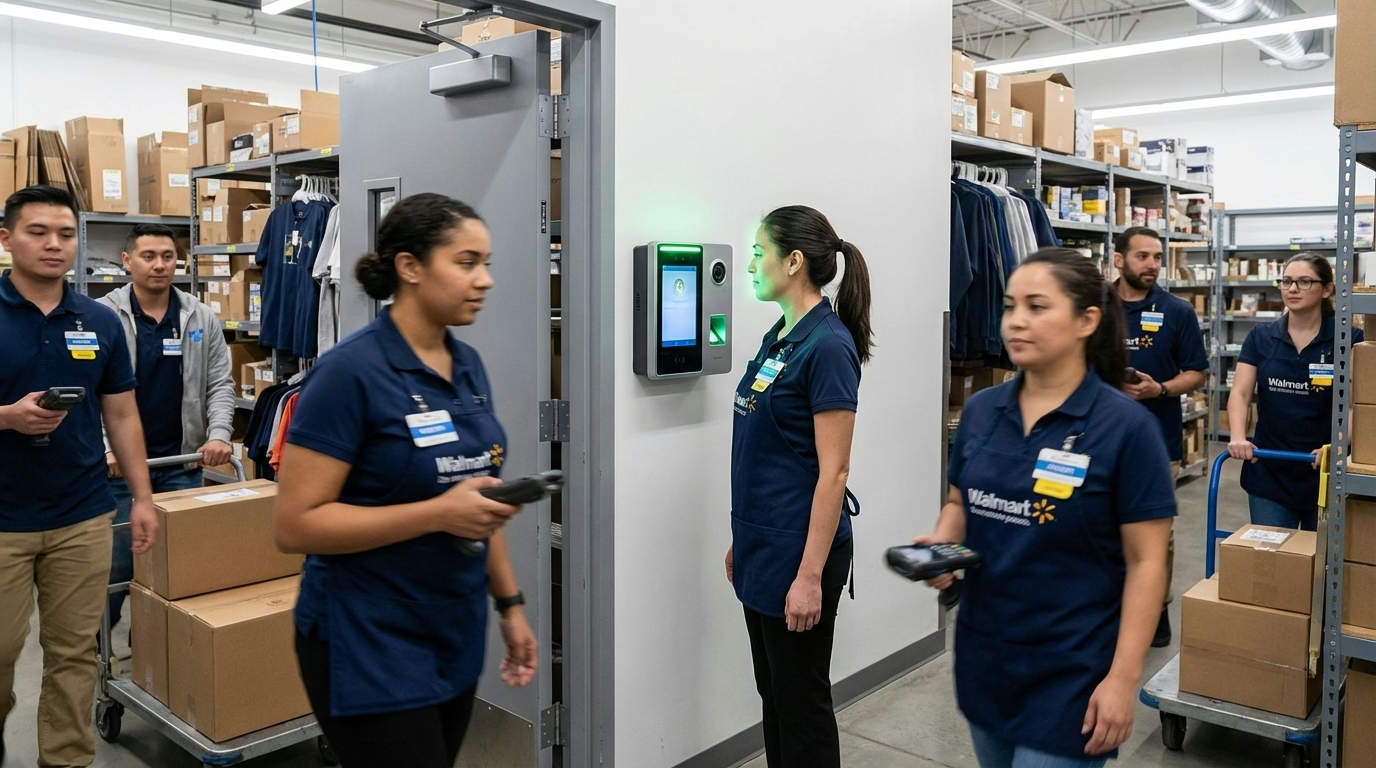
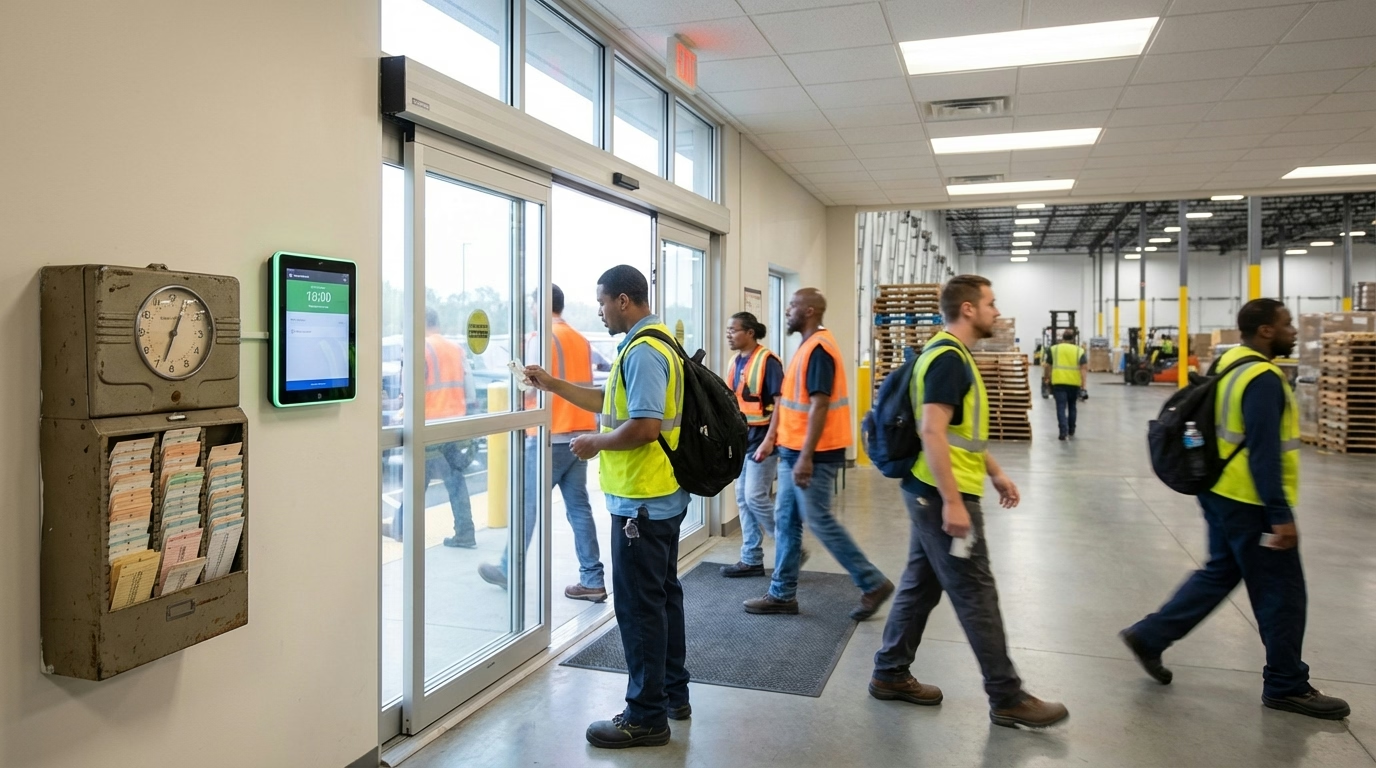
Still using a wall-mounted punch clock? Compare traditional punch clocks with online time clocks across accuracy, cost, compliance, and scalability to decide if it is time to switch.


Still using a wall-mounted punch clock? Compare traditional punch clocks with online time clocks across accuracy, cost, compliance, and scalability to decide if it is time to switch.

Time theft costs U.S. employers an estimated $400B+ annually. Learn what time theft is, why it happens, common types including remote work theft, real-world cases, and six proven prevention strategies.

Agencies lose 15–25% of billable time to poor tracking. This guide covers how to set up time tracking that improves utilization, simplifies invoicing, and gives you real visibility into project profitability.
Remote teams need time tracking that works without a shared office. Compare five methods — from async timesheets to GPS-verified clock-ins — and learn how to build a system your distributed team will actually use.

Most businesses track time. Few do it well. Learn six methods for tracking employee hours — from paper timesheets to GPS-verified time clocks — with a framework for choosing the right one.

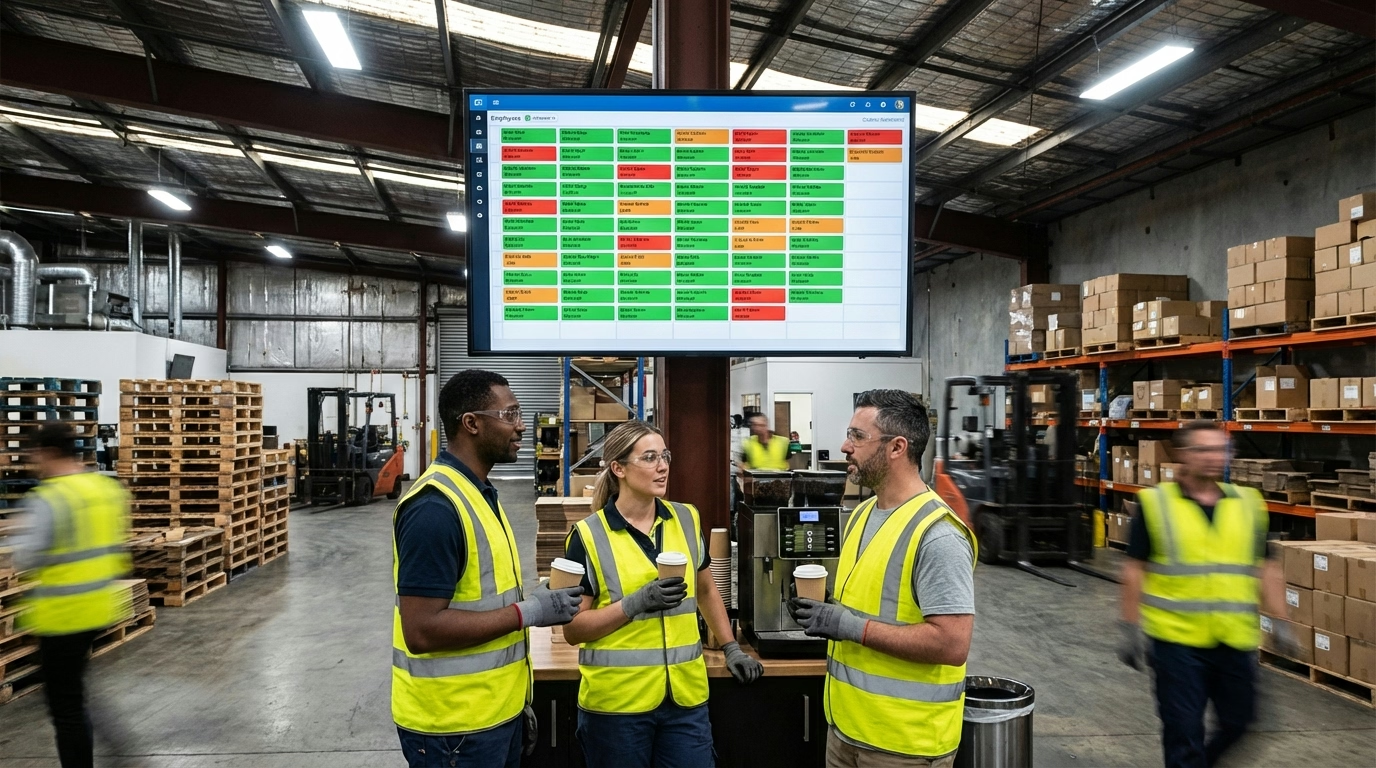
Time clock software replaces paper timesheets with digital clock-ins that calculate hours, track overtime, and export to payroll automatically. Here is how it works under the hood.

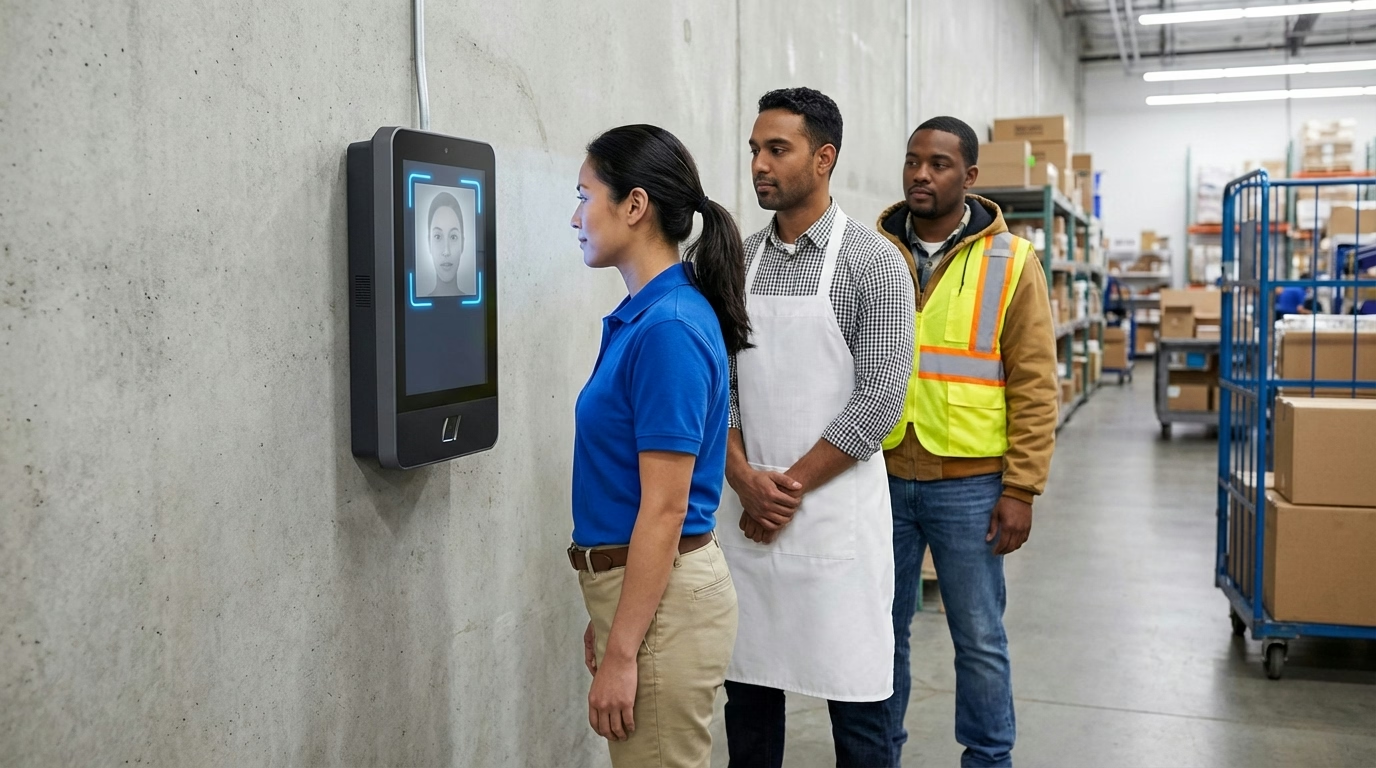
Buddy punching costs employers $373 million annually and affects 75% of U.S. businesses. Learn how to prevent buddy punching with biometric time clocks, GPS verification, facial recognition systems, and automated time tracking that eliminates time card fraud.

Time card fraud costs businesses up to 5% of gross payroll annually. Learn what time card fraud is, the most common types including buddy punching and timesheet padding, how it costs companies thousands per employee, and 2026 detection technologies.

An attendance sheet records who showed up for work each day. Learn the difference between paper and digital sheets, how to create one, and why digital tracking saves time and reduces errors.

Employee attendance tracks who shows up for scheduled shifts and when. Learn how to measure attendance, reduce absenteeism costing $225.8 billion yearly, and improve workplace productivity.

Clock in clock out records when you start and end work. Learn the different methods, what to do if you forget to clock in, and why accurate time tracking matters for your paycheck.

A time audit reviews employee hours and payroll records for accuracy and compliance. Learn when to run a time audit, what to check, and how it prevents costly payroll errors.

A time card records when you start and finish work each day. Learn how time cards work, paper vs digital options, and why accurate time cards matter for getting paid correctly.

Time clocks range from $20 punch cards to $1,000+ biometric systems. Learn the different types, what they cost, and which makes sense for your business.

A timekeeping policy sets the rules for how employees record hours worked. Learn what to include in your policy, FLSA requirements, and how clear policies prevent payroll disputes.

A timesheet records your hours worked for payroll. Learn what goes on a timesheet, how to fill one out correctly, and why accurate timesheets matter for getting paid right.

Learn what time clock rounding means (rounding employee punch times to nearest interval), legal requirements including the 7-minute rule, compliant rounding practices, common violations, and alternatives to traditional rounding systems.

Learn what lost time incident rate (LTIR) means, how to calculate workplace injuries causing missed days per 100 employees (formula: incidents × 200,000 ÷ hours worked), industry benchmarks (manufacturing 0.9, construction 1.8, healthcare 1.2), and proven safety improvement strategies.

Learn what employee tardiness means (chronic late arrivals to work), costs averaging $1,800 per employee annually, common causes including transportation and burnout, how to track patterns, and proven strategies to reduce chronic lateness.

Learn what absenteeism means (unscheduled employee absences), direct and indirect costs averaging $3,600 per employee annually, common causes including illness and disengagement, how to measure absenteeism rates, and proven prevention strategies.