

Should I ask for a budget before giving an estimate?
Learn when to ask a customer about budget before an estimate, how to explain the reason, and what to say when they do not know or prefer not to answer.
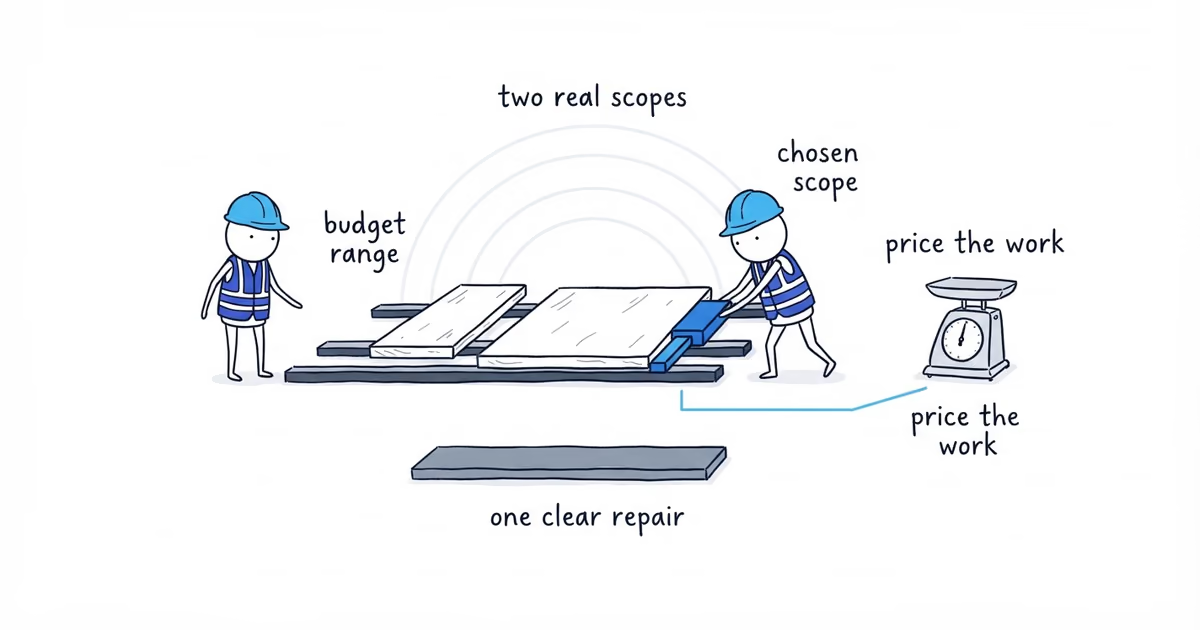
Ask about budget only when the answer will change a real recommendation: the scope, option, material level, phasing, or result you prepare an estimate for. If you would price the same defined job either way, you do not need the question.
Put the reason before the question:
There are a few workable ways to approach this job, and they involve different scopes. I do not want to build an estimate around the wrong option. Do you have a range you would like me to design the options around?
That sounds different from “What is your maximum budget?” You are explaining how the answer will be used, not asking how high the price can go.
When to ask about budget before an estimate
A budget conversation can help when the customer has several legitimate ways to reach the result. It may change:
- whether the work is completed at once or in phases;
- which areas or features are included;
- whether you prepare a basic option and an expanded option;
- which finish or material level the customer wants considered; or
- whether the customer’s requested result and available spend are far enough apart that the scope needs another conversation.
Ask after you understand the result they want. A budget number without a clear job tells you very little. “I want to improve the backyard” needs a scope conversation before money can narrow anything useful.
The final estimate still comes from the agreed scope and the way you price the work. A customer naming a larger budget is not a reason to charge more for the same job.
When not to ask for budget before an estimate
Do not ask out of habit.
For a straightforward repair or defined service, the job facts may determine your recommendation. If a customer wants one broken gate repaired and you need to inspect the post, asking for a budget does not solve the missing information.
Skip or delay the question when:
- you do not yet understand what the customer wants done;
- the work has one clear scope rather than meaningful options;
- you need a site condition, measurement, or diagnosis first; or
- you would prepare the same estimate regardless of the answer.
Asking too early can make the customer think the number will become the price. Avoid that concern by asking only when you can name the choice their answer will help you make.
How to ask a customer about their budget
When the customer probably knows a range
To make sure I prepare the right scope, do you have a range you want the project options to stay within? I will still price the actual work, but the range helps me avoid designing an option that is not useful to you.
When the customer does not know what the work may involve
No problem if you do not have a number yet. I can first explain the basic and expanded ways to approach the job. Once you see what changes between them, you can tell me which direction is worth estimating.
Do not invent option bands to force a budget answer. Offer only choices you would genuinely recommend for the job.
When the customer prefers not to answer
That is fine. I will prepare the estimate from the scope we agree on. If there are optional items, I will separate them so you can see what changes.
Reluctance to name a budget does not prove the customer is a poor fit. Continue with the job facts you can verify. If the scope is too open to estimate responsibly, explain which decision is still missing.
Budget question examples for two types of jobs
Landscape improvement with several possible scopes
A homeowner wants the front yard to look finished and be easier to maintain. The work could mean a focused bed refresh, a broader planting change, or completing the project in phases. Budget can help you decide which real scope to develop before you spend time estimating every version.
You might say:
I can approach this as a focused refresh or a larger redesign. Is there a range you want me to use when deciding which scope to develop? I will price that scope from the work involved.
Single gate repair
The customer wants one gate fixed, but you do not yet know whether the post, hinges, or frame are causing the problem. Their budget will not identify the condition or change what you need to inspect. Gather the job information first, then price the agreed repair. There is no reason to make budget the opening question.
A simple rule for asking about budget
Before you ask about budget, finish this sentence:
The answer will help me decide whether to recommend __ instead of __.
If you can fill the blanks with two honest approaches, explain that choice and ask. If you cannot, keep gathering scope information or prepare the estimate without the budget question.
This keeps the conversation fair. The customer knows why you are asking, you avoid estimating options they do not want, and the final price remains tied to the work rather than to the highest number they name.
When the budget answer has narrowed the work to a real scope, use our contractor estimate generator to organize line items, allowances, optional work, exclusions, and a customer PDF.
Frequently Asked Questions
Should I ask for the customer’s minimum and maximum budget?
Ask for a comfortable working range only when it will help you choose between real scopes or options. Avoid asking for the maximum amount they can spend. That does not explain a useful job decision and can make the customer think their answer will become the price.
Should I ask about budget by text or during the estimate?
Ask after you have enough context to explain the choice the answer will guide. A short text can handle a simple clarification; a live conversation is better when the options need explanation. In either channel, give the reason before asking for the range.
- pricing
- should-i-ask-for-budget-before-estimate
- should-i-ask-for-a-budget-before-giving-an-estimate
- ask-customer-budget-before-estimate
- how-to-ask-a-client-for-their-budget
- contractor-budget-question
- project-budget-range



