Should I Focus on Google, Yelp, or Facebook Reviews?
Choose Google as the default review-request platform, keep Yelp accurate without asking for reviews, and give Facebook attention only when local customer evidence supports it.
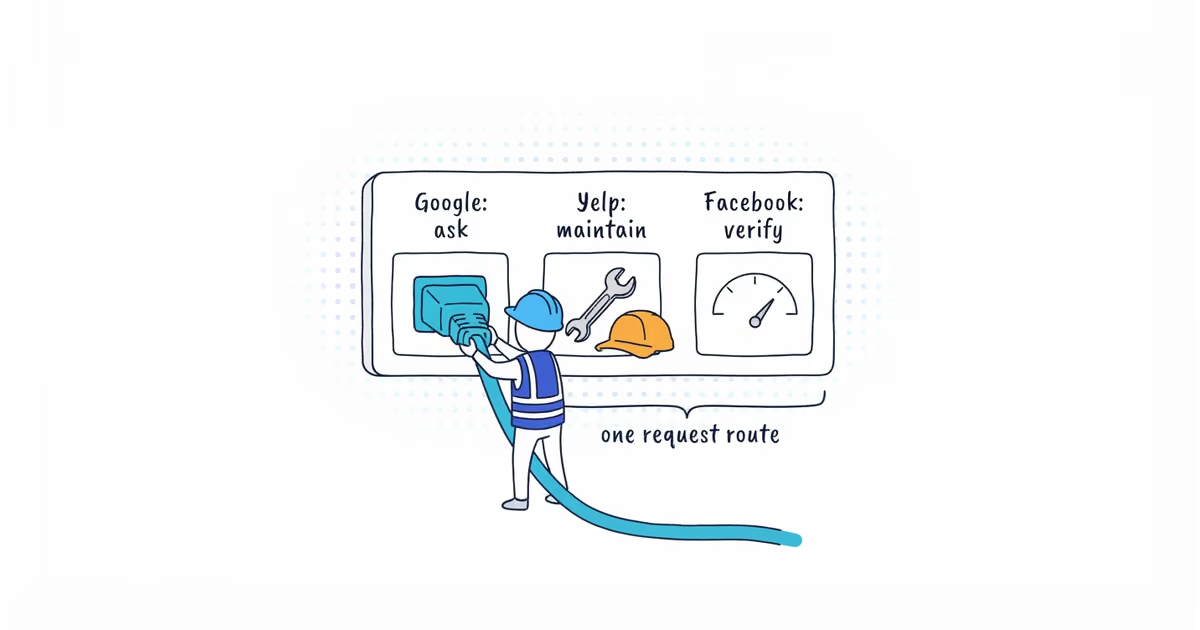
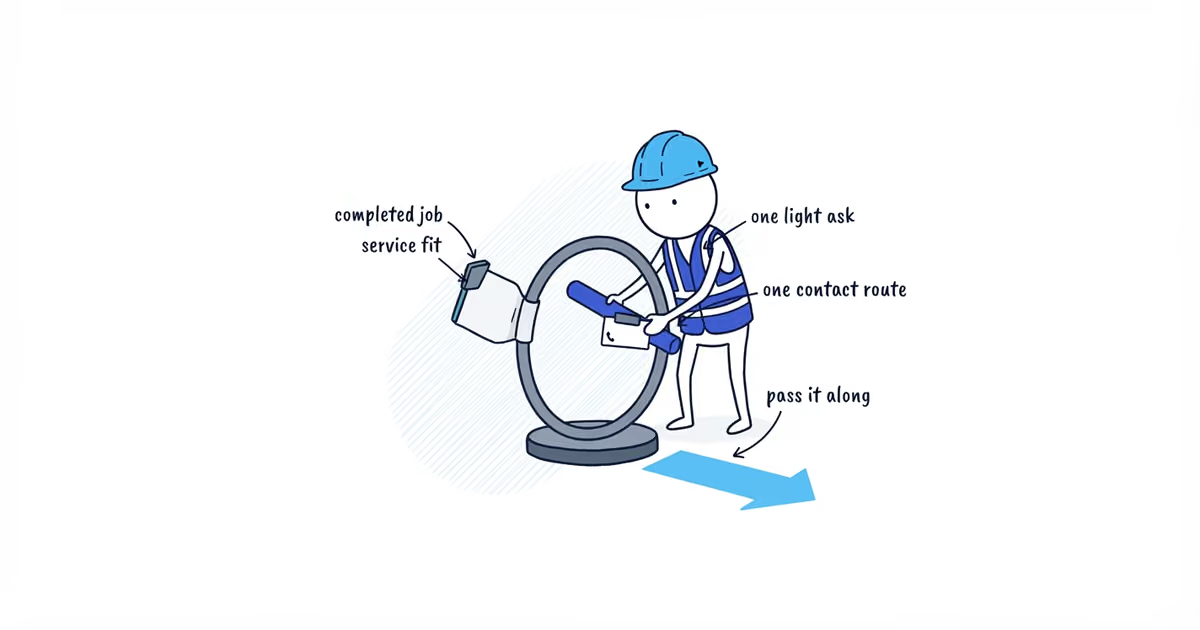
If you have time to actively request reviews on one platform, make it Google. For most US home-service businesses, that is where reviews sit beside the Business Profile customers see in Search and Maps.
Treat Yelp differently: keep the page accurate and watch what customers post, but do not ask for Yelp reviews. Give Facebook regular attention only when the Page is actually helping local customers find or check the business.
Last verified: August 10, 2026 (United States).
How review requests differ from profile maintenance and monitoring
Do not confuse asking for reviews with maintaining a profile or monitoring what appears there. A platform may deserve the second and third jobs without becoming a request destination.
| Platform | Can you actively ask? | Evidence that it matters locally | Minimum useful work |
|---|---|---|---|
| Yes, for genuine reviews with no incentive or attempt to steer the rating or content | The Business Profile appears in Search or Maps and customers use it to find, check, or contact the business | Keep the profile accurate, send a neutral review request after the chosen job milestone, and monitor replies | |
| Yelp | No. Yelp tells businesses not to ask for reviews | Yelp appears for the business name or an important service search, or customers already use the page | Claim the correct page, fix customer-facing details, monitor organic reviews, and keep Yelp out of review-request campaigns |
| Check current collection rules separately; Meta currently provides Recommendations on business Pages | Customers mention Facebook as a source, use the Page to check recent work, or contact the business through it | Keep the Page and Recommendations setting current, monitor activity, and measure whether Facebook leads to completed work |
That distinction prevents a common mistake: treating every public profile as another button on the same post-job request page.
Why Google is the primary review-request platform
Google gives businesses a review link or QR code they can share. Its policy permits requests for reviews that reflect genuine experiences.
The request still has limits. Google prohibits incentives, selective positive solicitation, pressure to review on the premises, and requests for a particular rating or specific content. Use the same neutral process for every customer who reaches the chosen job milestone.
When Google is the request destination, the Google review request templates provide job-specific wording without asking for a rating or telling customers what to mention.
Google does not publish a formula telling a contractor that a certain review count, recency target, or share of weekly effort will produce a ranking change. Use it as the practical default because of where the Business Profile appears and what local customers do, not because of a made-up 80/20 rule.
Are Yelp reviews important for trade businesses?
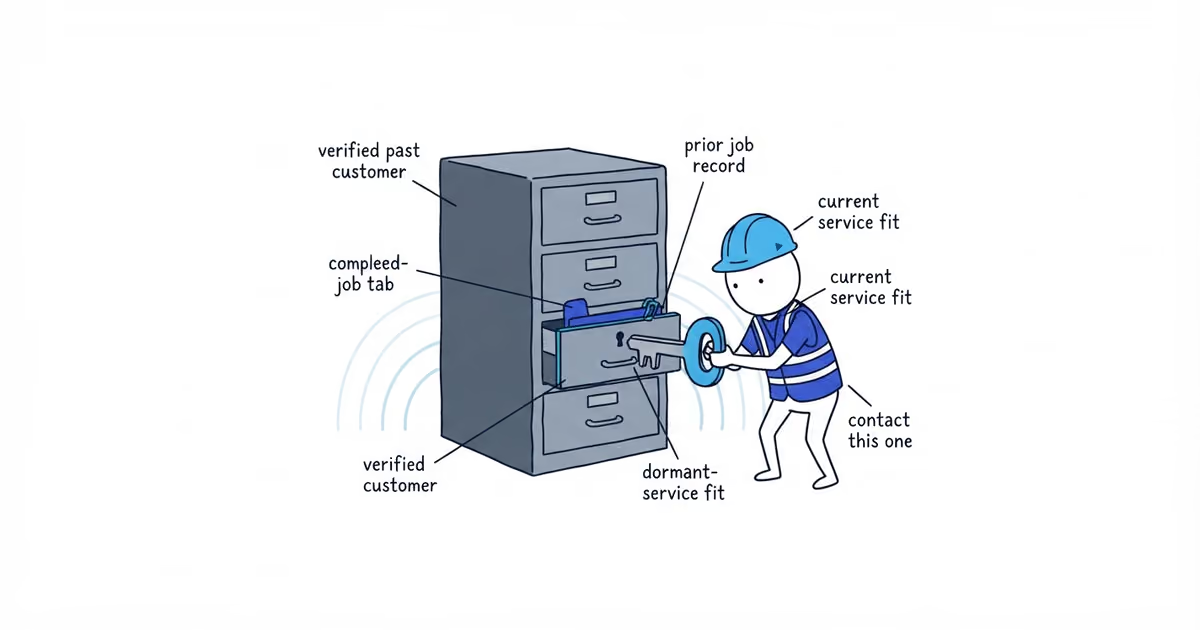
Yelp reviews can matter when the page appears for the business name or an important local service search, or when customers already use it to check the business. The trade alone does not decide it, and Yelp should not become an active review-request channel.
Yelp’s guidance is unusually clear: do not ask customers, mailing-list subscribers, friends, family, or anyone else to write Yelp reviews. Prompted reviews may also be less likely to be recommended by Yelp’s software.
Leave Yelp out of texts, emails, QR pages, and multi-platform review screens. Keep the phone number, website, photos, and recent responses current so customers who find the page can verify the business.
If Yelp is visible enough to deserve more than basic maintenance, the Yelp contractor guide separates the free page from the paid-ad decision and shows how to test its local value.
Are Facebook reviews worth it?
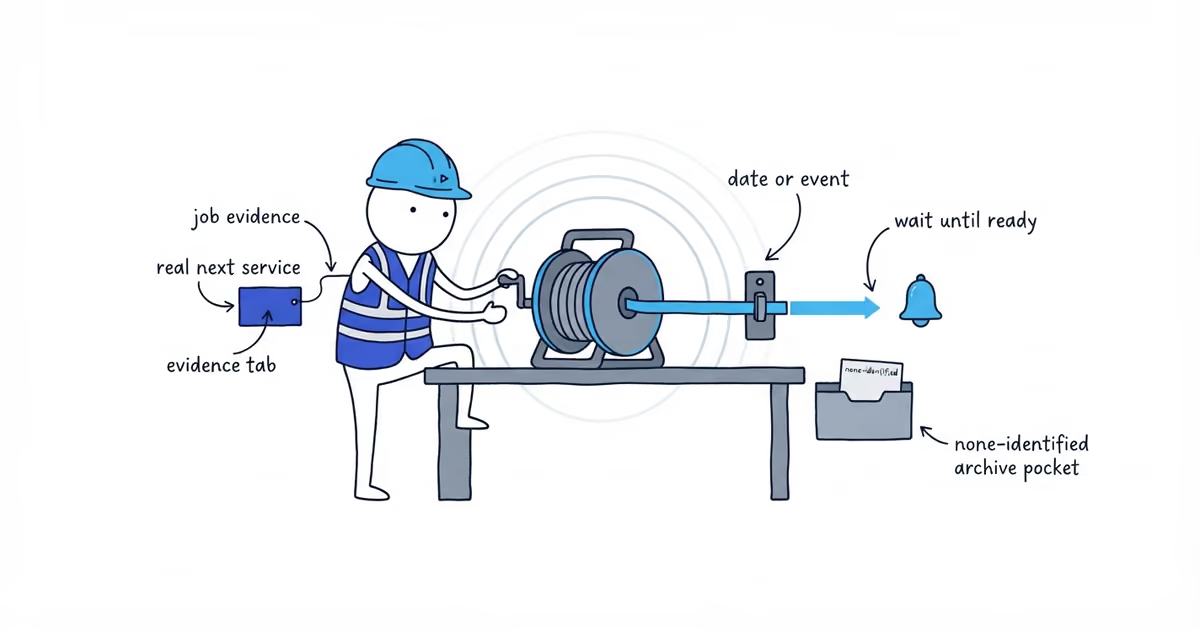
Facebook Recommendations are worth maintaining when customers use the Page to find, contact, or check the business. If none of that is happening, occasional maintenance is enough.
Meta calls the business Page feature Recommendations. The fact that the feature exists does not prove it sends jobs to every plumber, roofer, or cleaning business.
Give Facebook active maintenance time when customers say they found the business there, local groups send people to the Page, Page messages become qualified inquiries, or tracked links lead to completed jobs.
BrightLocal’s 2026 survey found that US consumers reported writing local-business reviews most often on Google (45%), Facebook (34%), and Yelp (24%). That is useful national context, not a home-service conversion study or a formula for dividing your week.
How to choose the best review platform for a local business
Use a signed-out browser or private window so your own account has less influence on what you see.
- Search the exact business name. Note which profiles appear and whether their customer-facing details are correct.
- Search three priority services with the city, such as
emergency plumber Bristol. Record which review profiles appear. - Check for recent reviews, recommendations, messages, and owner responses. A large lifetime review count does not prove current customer activity.
- Compare those results with recent lead sources, qualified inquiries, completed jobs, and collected revenue where the records exist.
Service urgency and job value matter too. A profile visible at the moment someone needs an urgent, high-value repair deserves more attention than one producing reactions but no attributable work.
The evidence should lead to one of three decisions:
- Google requests; light maintenance elsewhere when Yelp and Facebook show little customer activity.
- Google requests; active Facebook maintenance when Facebook produces qualified local contacts or helps prospects verify recent work.
- Google requests; Yelp and Facebook monitoring when those profiles affect branded searches but do not act as reliable acquisition channels.
Recheck after a service-area change or a clear shift in lead sources. A different contractor’s preferred platform is not evidence about your market.
Frequently asked questions
Should I divide review requests evenly across Google, Yelp, and Facebook?
No. Use Google as the default active request destination, leave Yelp out of solicitation, and give Facebook regular maintenance only when local customer evidence supports it. There is no useful fixed split among the three.
Should review management software send customers to Google, Yelp, and Facebook?
Choose the destination before choosing the tool. Software does not change any platform’s rules, and it should not add Yelp to an active review-request sequence when Yelp tells businesses not to ask for reviews.
Sources
- google-reviews
- yelp-reviews
- facebook-recommendations
- review-platforms
- local-business