

· ShiftFlow Editorial Team · Time Tracking
Best GPS time tracking software with shift scheduling
Most field teams pay for a scheduler and a GPS time clock that don't share a database. 10 apps that fold both into one bill, with 2026 pricing.
Most field teams pay for a scheduler and a GPS time clock that don't share a database. 10 apps that fold both into one bill, with 2026 pricing.
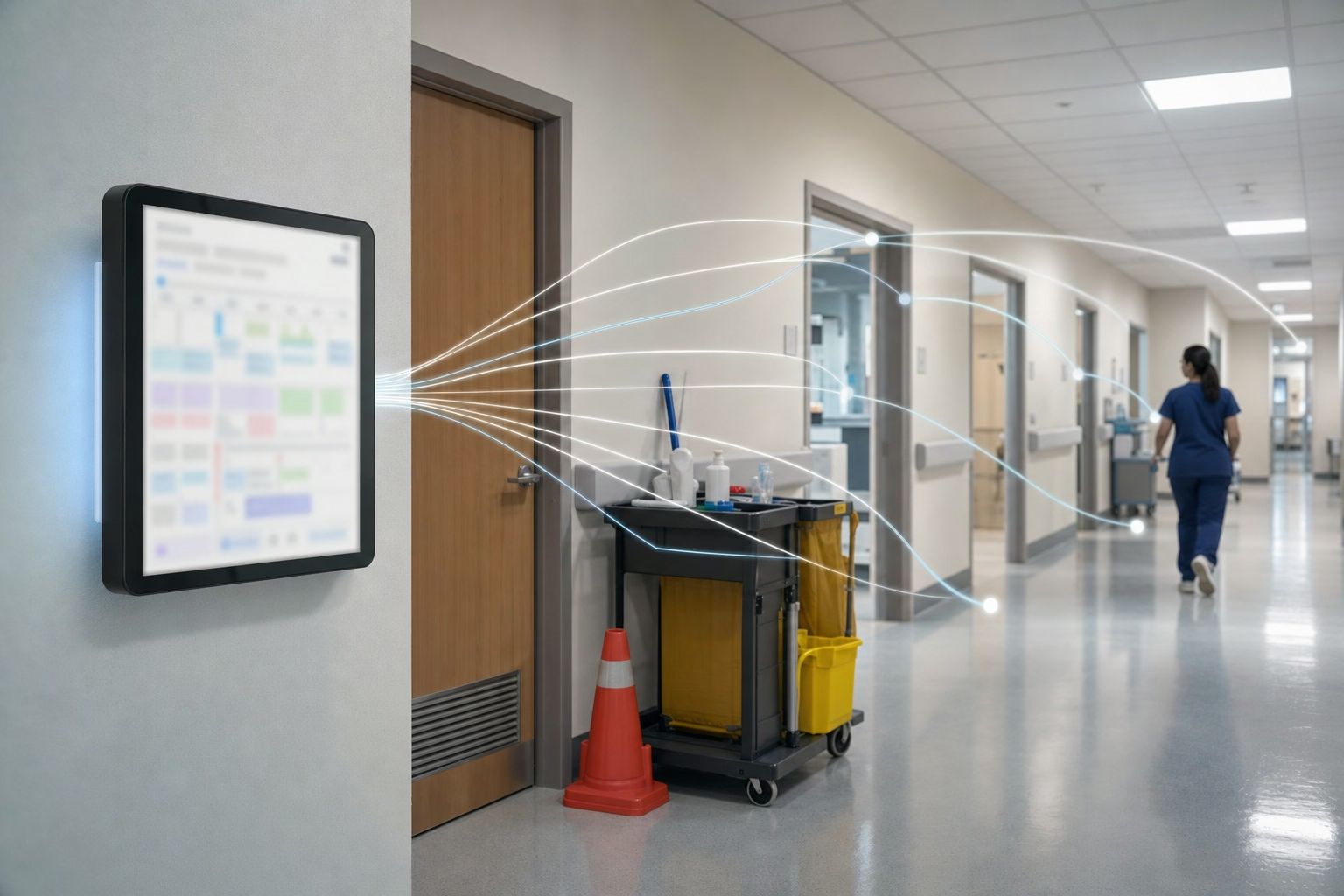
Homebase Plus charges $70 per location — at 8 sites, that's $560/month. 10 alternatives that price per user instead, with 2026 monthly bills.

Multi-shift time tracking does not fail in installation. It fails the first pay period — when a paycheck comes in wrong and someone has to find the bug before payroll closes. Here is how to set it up so that does not happen.

The most expensive shift-based payroll mistake is not a typo. It is using base pay instead of regular rate when calculating overtime on weeks with shift differentials — which systematically underpays your night-shift team. Here is what actually works.

Most payroll tools fail the FLSA regular-rate test on differential weeks. 10 tools compared on overtime, state daily OT, and 2026 pricing.

Enterprise fleet tools cost more than they save; generic time clocks ignore mileage. 10 apps built for under-10-driver fleets, with 2026 pricing.

Three shifts, a paper sign-in sheet, a tablet at the dock nobody trusts. 10 warehouse apps compared on kiosk mode, biometrics, and 2026 pricing.
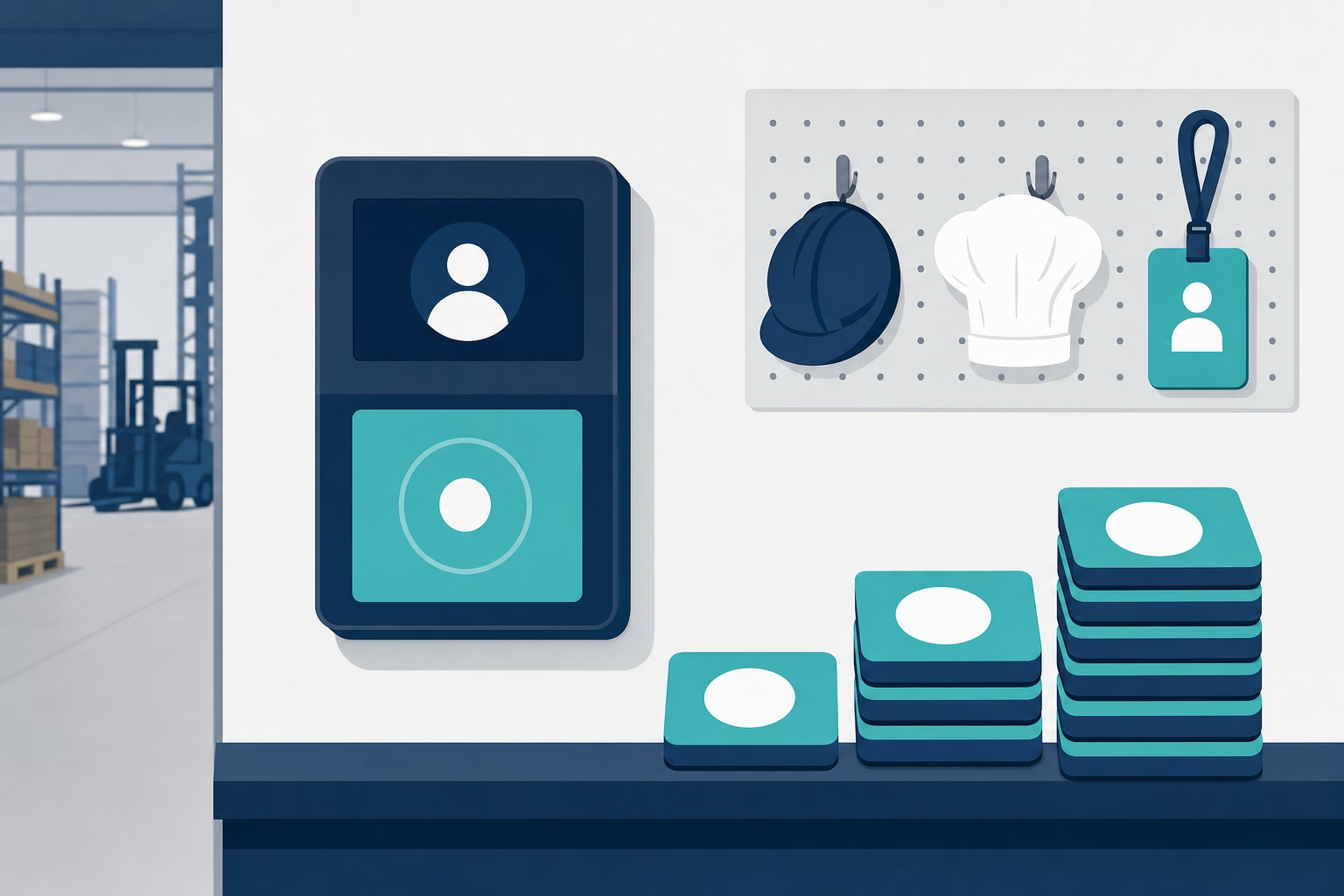
Flat-rate pricing sounds simple until the team grows. This guide compares which tools keep the bill readable once GPS, payroll exports, and more users are added.
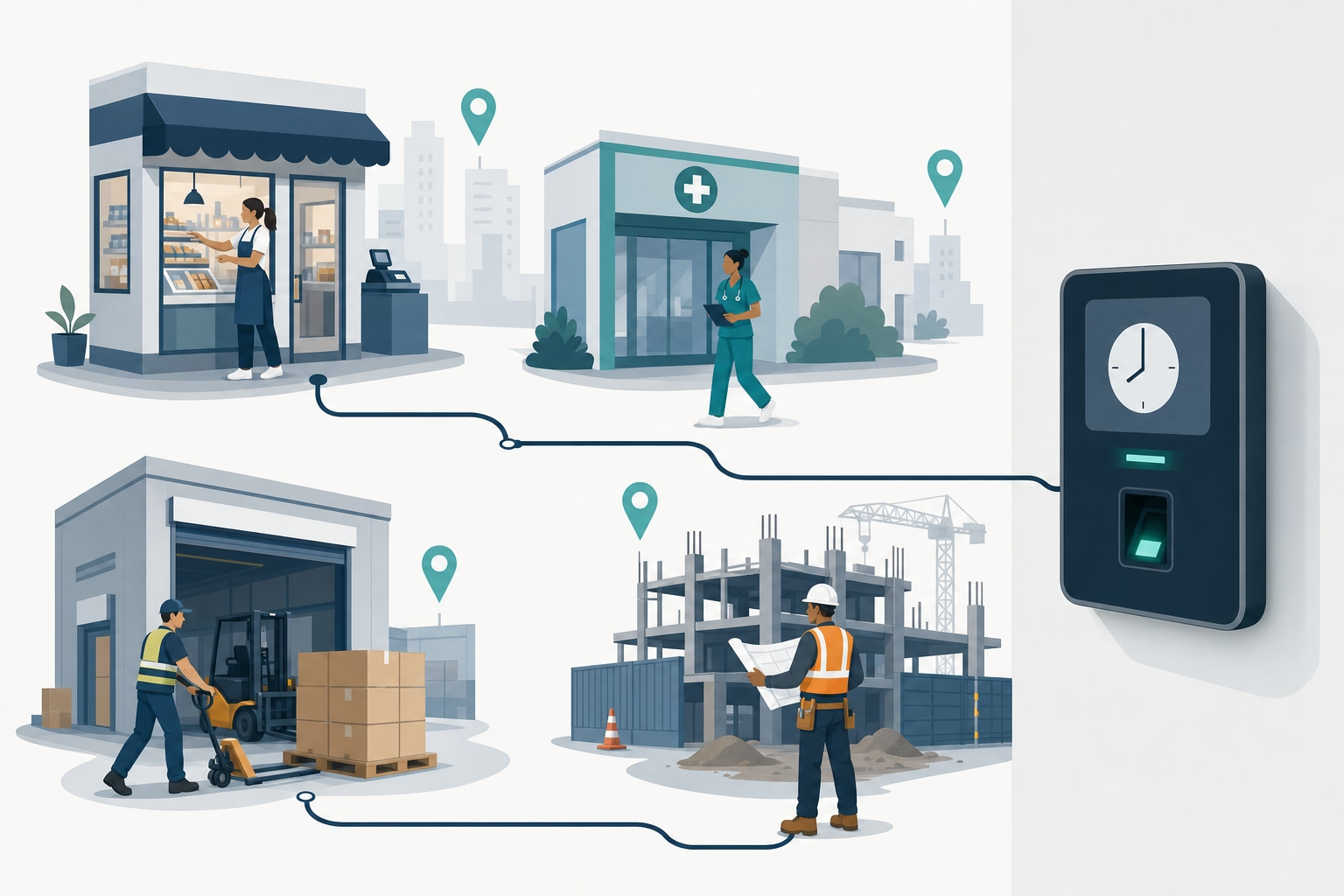
Multi-site teams do not need another fee every time a new address opens. This guide compares headcount-based pricing, GPS, and multi-location cost.
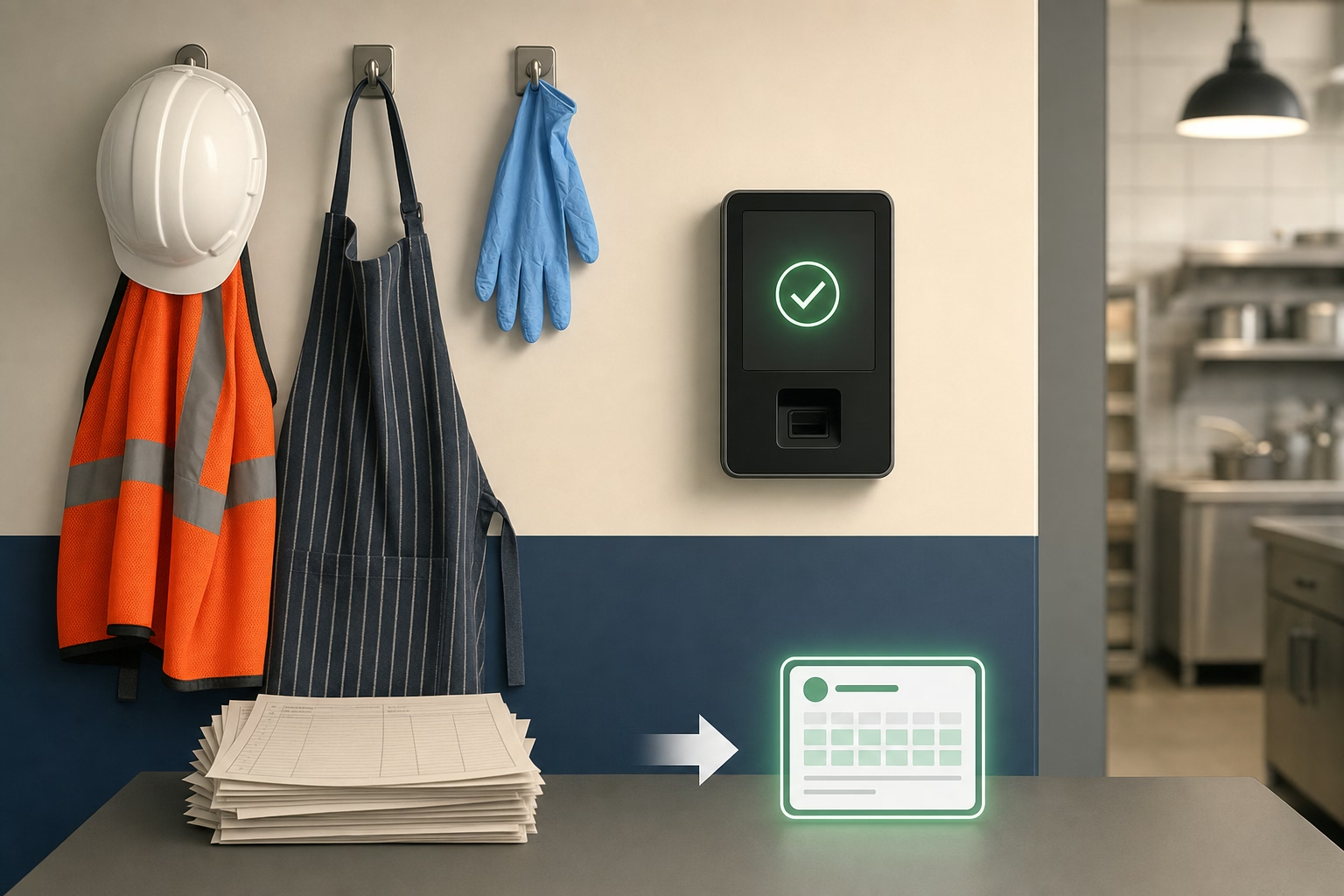
Which time clock actually fits a 10-person business? This guide looks at setup, GPS, payroll exports, and the cost of growing past 10 employees.
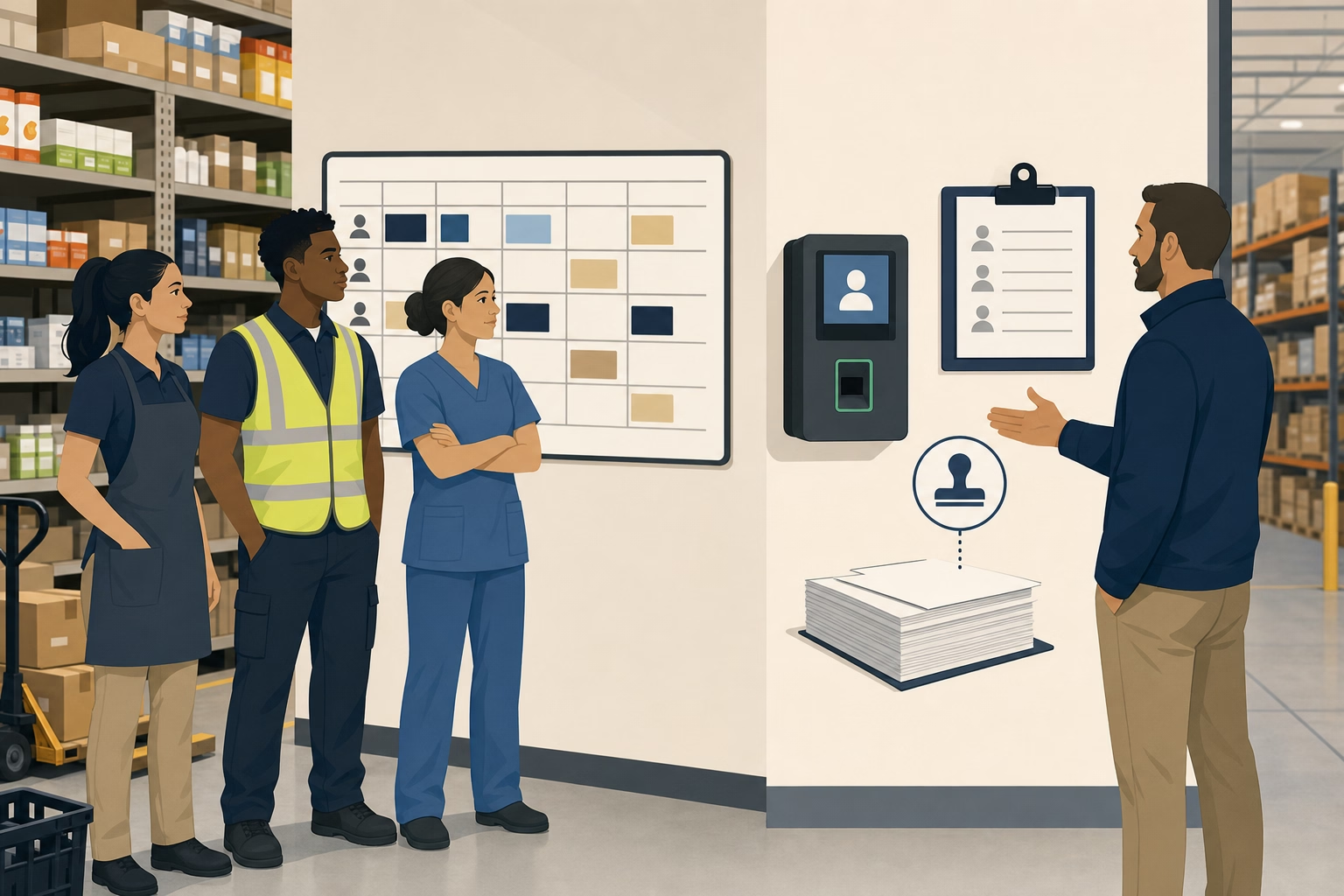
At 20 employees, approvals and reporting start to matter as much as clock-ins. This guide compares the tools that still hold up at that stage.

Add-ons are where a simple time tracking bill usually stops being simple. This guide compares which tools keep the real workflow in the base plan.
Some pricing pages are clear until the invoice arrives. This guide compares base fees, add-ons, tier changes, and which tools are easiest to price before signup.
For small teams, a base fee changes the math fast. This guide compares no-base-fee tools by effective seat cost at 5, 10, and 25 users.
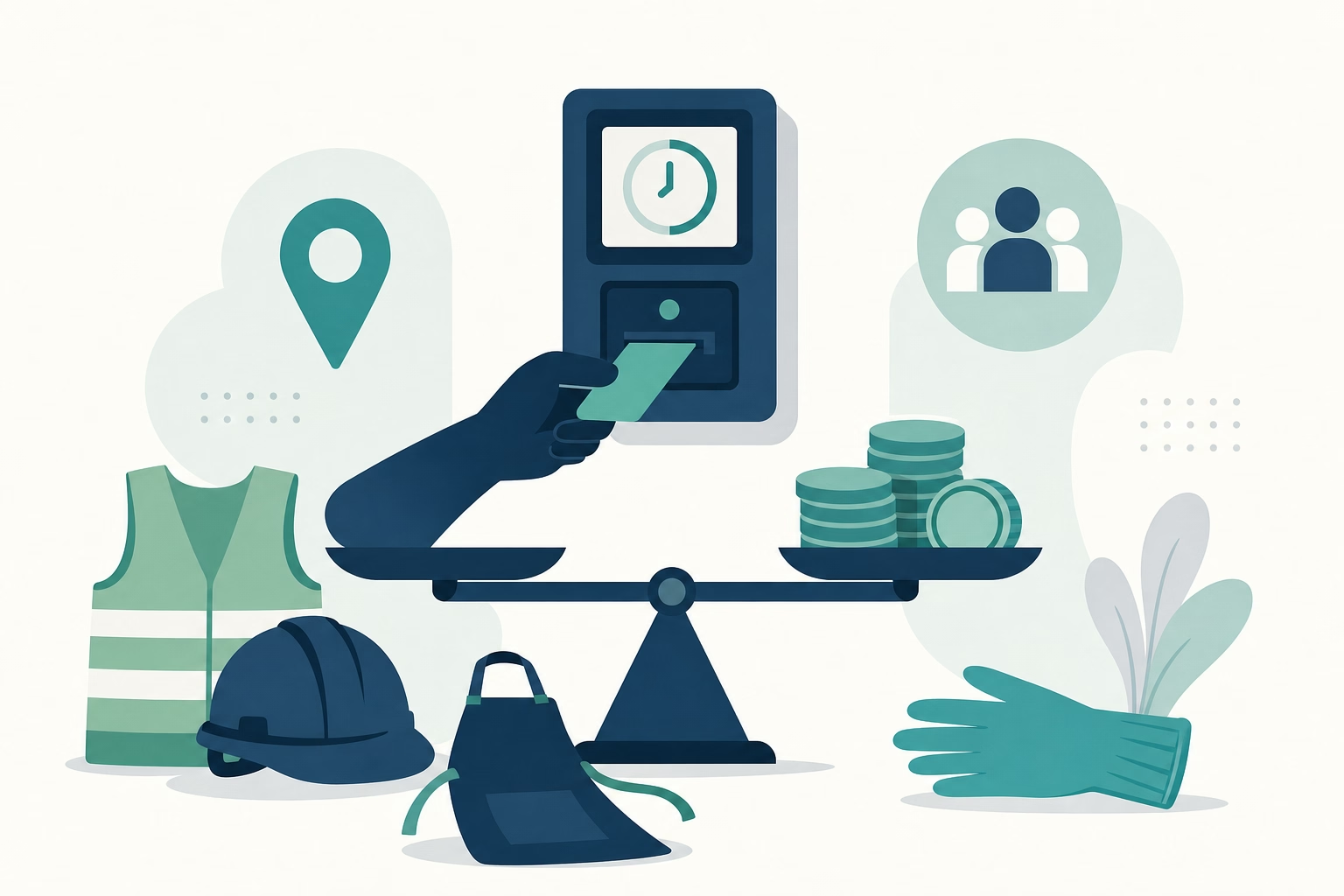
A plan can fit under $100 at 10 users and break the budget at 15. This guide compares which tools stay inside the cap longest and what you give up.

Compare the 10 best time tracking apps for construction crews in 2026, scored on GPS accuracy, offline reliability, payroll integration, and how the price scales as your crew grows.

Compare the 8 best time tracking apps for electrical contractors in 2026, scored on license-hierarchy tagging, apprentice-to-journeyman ratios, specialty cert tracking, IBEW fringe allocation, AIA billing, and the real bill for a 20-electrician shop.

Compare the 8 best time tracking apps for healthcare teams in 2026, scored on shift scheduling, break compliance, home-health GPS, and how the price scales as your team grows.

Compare the 8 best time tracking apps for HVAC contractors in 2026, scored on service-call auto-timers, maintenance agreement allocation, EPA 608 cert tracking, install-vs-service separation, and the real bill for a 20-technician company.

Compare the 8 best time tracking apps for security guard companies in 2026, scored on guard tour verification, lone worker safety, DAR reporting, and how the price scales from a 5-guard office to a 200-post contract.